


What is yaki hair? Where does yaki hair come from? Is yaki hair real hair? What is yaki hair actually made out of? Is yaki hair good quality? What is Yaki hair good for? Does yaki hair last? How long does yaki hair last? How much is yaki hair? What are the different types of Yaki hair? What is the difference between Yaki and Light Yaki? Can you color yaki hair? Coarse Yaki vs Yaki? If these questions have been circling your mind as you explore protective hairstyle options, you’re not alone, especially if you’re seeking truly high quality hair extensions that offer both style and longevity. This texture has become a staple in modern protective styling, widely recognized for its ability to replicate relaxed or straightened Afro-textured hair with natural-looking ease. This comprehensive guide is designed to clarify the essentials, from its origin and authenticity to the fibers used, its overall quality, and its most practical everyday applications.
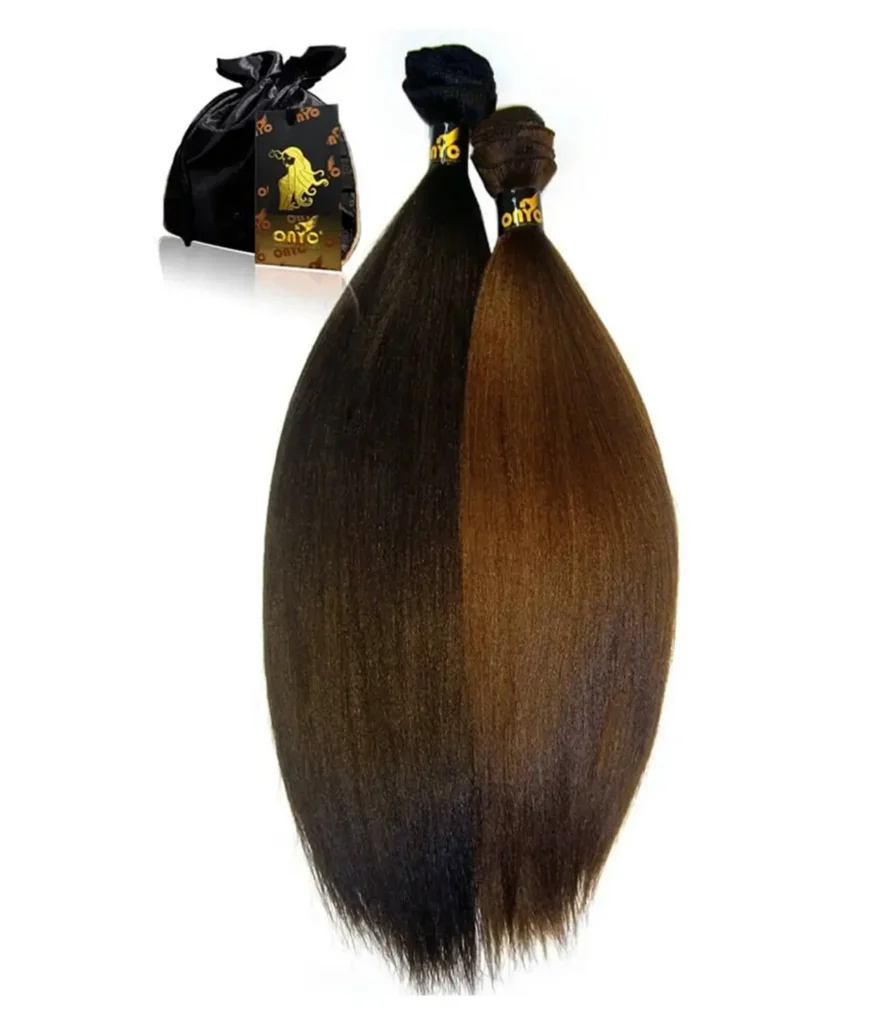
When it comes to protective styling Yaki Straight Hair Extension is a go-to texture that mimics relaxed Afro-textured strands, giving you a smooth, exquisite and elegant hairstyle. It’s ideal for achieving sleek, polished hairstyles without applying heat.
What is Yaki Hair?
It is a type of mane texture that mimics chemically relaxed or straightened Afro-textured hair. It’s a popular choice in the hair world and for good reason, especially if you love natural-looking hairstyles or human hair wigs with a sleek twist. It’s perfect for anyone who wants that “just-pressed” look without actually applying heat to their natural hair.
 Pin
Breaking Down the Basics
One of the most common questions people have is, “Is yaki hair real hair?” And the answer is Yes, it can be. This form of hair is available in both synthetic and 100% human hair options. When it’s human hair, it’s processed to create the distinct texture while maintaining a natural look. This makes it a great match for blending with chemically treated or heat-straightened Black hair.
So, what is yaki hair good for? Think protective styles like sew-ins, wigs with a Light Yaki Closure, ponytails and clip-ins. Because of its realistic texture, this form of hair is great for achieving styles that are polished yet natural-looking. Whether you’re aiming for a silky straight style or something with a bit more volume and texture, there’s a yaki type that suits your vibe. Now, when someone asks, “How much is yaki hair?” it's not just about the cost. It’s about the value you get, durability, realism and styling flexibility. Whether synthetic or human, the key is how well the hair blends with yours and suits your style goals.
To wrap it up, what is yaki hair? It’s a textured hair type crafted to blend effortlessly with relaxed or straightened Black hair, offering a natural, polished finish. Whether you’re aiming for a simple everyday style or something more glamorous, this hair option gives you the versatility to achieve the look you want while keeping things authentic and stylish.
Where Does Yaki Hair Come From?
It originates from real human hair that has been specially processed to resemble the texture of chemically relaxed or straightened Afro-textured hair. When sourced ethically, it’s real human hair that has been processed using steam or light chemical treatments to mimic African American textures. In high-end collections like ONYC Hair extensions, high-quality weave made from 100% cuticle-intact Remy hair are used, providing exceptional durability and a natural shine.
 Pin
Understanding the Origins
To truly understand the origins of yaki weave, it’s important to look at both the source of the hair and the refinement it undergoes. Typically made from real virgin hair extensions, this hair starts as unprocessed human hair and is then carefully treated with gentle steam or controlled chemical texturizing methods to achieve a range of natural-looking finishes. These textures are designed to match relaxed or natural African American hair, giving a more realistic and authentic appearance. Many people ask, “can you color yaki hair?” The good news is yes, you can! If it’s 100% human hair, coloring is totally doable. Just be cautious: repeated coloring or bleaching can weaken the hair over time, especially if it already underwent texturizing.
Durability, Composition, and Styling Possibilities
You might be thinking, what is yaki hair actually made out of? In most premium quality yaki mane products, the answer is 100% real human hair. This is what gives it such a natural look and feel. However, lower-end options might blend synthetic fibers to cut costs, which can affect the hair's longevity and versatility. When it comes to longevity, a key question is: does yaki hair last? Yes, it does. It all depends on your maintenance routine, how frequently you wear it, and whether you apply excessive heat or chemicals.
In summary, where does yaki hair come from? It’s made from real human hair extensions that’s skillfully processed to reflect the beauty and texture of relaxed or natural Black hair. This type of hair offers versatility, durability and a truly natural look making it a favorite choice for textured hair lovers who want their extensions to feel just like their own.
Is Yaki Hair Real Hair?
Some Yaki textures are crafted from genuine strands, particularly the premium varieties made with 100% Remy human hair like that of the ONYC Hair Yaki textures. If you value authenticity, longevity, and freedom to style, always opt for yaki mane labeled as 100% human and from a reputable source. For those looking to maintain a sleek, polished look while still preserving texture, the best extensions for relaxed hair often include Yaki types because they blend seamlessly with chemically straightened locks, offering both authenticity and flexibility. However, there are also synthetic and blended versions on the market. These are more budget-friendly but lack the heat styling compatibility and longevity of human yaki tresses.
 Pin
Identifying the Source of the Texture
Before we go deeper, let’s clear up what is yaki hair? It refers to a specific texture of hair that mimics the look of chemically relaxed, pressed, or blow-dried Afro-textured mane. Yaki mane can come from real human donors, but it can also be made from synthetic fibers. On the flip side, more budget-friendly options might use non-Remy hair or even synthetic fibers, which are chemically treated to mimic the yaki look but don’t offer the same longevity or styling flexibility. So, is yaki hair good quality? That depends on the kind you choose. If it’s Remy human hair, then Yes it’s usually soft, manageable, and can be heat-styled and washed just like your natural hair. However, if it’s synthetic or low-grade human hair, you may deal with tangling, matting, and limited styling options.
How to Choose the Right Yaki Hair Option for You
Understanding what’s behind the label is crucial when investing in yaki mane. While it might seem more affordable at first, opting for the cheapest option often means giving up on durability and a natural appearance. You’re probably also wondering, what are the different types of yaki hair? Generally, there are three main texture categories, each crafted to mirror specific hair types or styling preferences. Regular or Relaxed Yaki has a bit more body, resembling African American hair that has been relaxed but still maintains some natural thickness. Light Yaki offers a soft, natural texture slightly coarser than Silky Yaki perfect for those who want lightly textured hair without too much bulk. Lastly, Coarse Yaki (sometimes referred to Italian Yaki) delivers the richest texture, emulating untreated, natural Afro-textured hair that’s been blow-dried or lightly stretched.
Now, back to the common question: Is yaki hair real hair? The answer is it can be, but not always. It all comes down to examining the label and knowing your source. If realism and maximum styling flexibility are what you're after, 100% Remy human hair is the best choice. However, if you're simply looking for a temporary solution or a more budget-friendly option, synthetic yaki can meet your needs just with fewer styling possibilities.
What is Yaki Hair Actually Made Out Of?
It is primarily made from 100% human hair that’s been processed to replicate the texture of relaxed or straightened Afro-textured hair. That means you get the natural look and feel of pressed natural strands with the versatility of real hair. In some affordable options, it may be blended with premium synthetic fibers, but authentic yaki is human hair at its core.
 Pin
The Materials and Methods Used in Production
The production of this hair type involves selecting and treating various base materials to replicate the texture of relaxed or heat-styled Afro-textured hair. The most common and desirable base is human hair, particularly Remy hair like that of the ONYC Hair, which maintains the cuticle layer and natural alignment. Hair Manufacturers such as ONYC Hair achieve smooth, tangle-free strands by using this method, especially in high-quality yaki tresses. Non-Remy hair is another option. Although more affordable, it undergoes acid treatment to strip the cuticles, followed by silicone coating to improve softness and reduce tangling. For budget-friendly options, synthetic fibers like Kanekalon are often used. Kanekalon is heat-resistant, lightweight, and designed to mimic the appearance and feel of human hair, making it popular for temporary styles or protective looks.
Each type of yaki mane whether made from Remy, non-Remy, Kanekalon, horsehair, or blended fibers undergoes specialized heat and chemical treatments to produce textures like silky, regular yaki, or coarse yaki. This process ensures the hair mimics the natural, straightened look while offering flexibility and durability across different styling needs. So, if you're torn between coarse yaki vs yaki, consider the natural texture of your own hair or the look you're going for. Coarse yaki is fuller and mimics thick strands, while regular yaki is more refined and straight.
Depending on the quality, Yaki Straight hair is either made of:
- 100% Human Hair (Remy or Non-Remy)
- Synthetic Fibers (for budget-friendly options)
- Human-Synthetic Blends
Maintenance Matters More Than You Think
Let’s talk about durability. How long does yaki hair last? can depend on a few key factors quality, maintenance, and frequency of use. Premium yaki mane can last 6 to 12 months, especially if it's human hair and you follow a regular care routine. That means gentle washing, deep conditioning, minimizing heat styling, and proper storage when not in use. The better the care, the longer the hair holds its look, texture, and natural feel. For daily use, a 6–9 month lifespan is typical, while occasional wearers may enjoy it even longer.
Now that you know what is yaki hair actually made out of, you can confidently choose the right style for your needs. Whether you're blending it with your natural strands or wearing it as a protective style, yaki tress provides a realistic, versatile option that suits a range of textures.
Is Yaki Hair Good Quality?
Yes, but with a caveat that only if it’s sourced and processed correctly. True Yaki mane made from 100% Remy human hair like ONYC Yaki Hair Bundles, ONYC Relaxed Straight Bundles and ONYC Silk Press Hair Bundles offers a flawless blend with relaxed or textured natural hair, holds styles well, and resists tangling. It also behaves like your own hair it can be colored, curled, flat-ironed, or styled into updos. What sets high-quality Yaki apart is not just its texture, but the cuticle alignment, strand integrity, and minimal processing. Beware of synthetic imitations that look good for a week but quickly mat, frizz, or melt under heat.
 Pin
What Makes Yaki Straight Stand Out?
This particular hair is often confused with other types of textured extensions, but what sets it apart is its close resemblance to chemically relaxed or flat-ironed natural Black hair. It's important to clarify that yaki mane refers to the texture, not the origin. So, Is yaki hair real hair? In most high-quality cases such as ONYC's yaki textures, yes and it is made from 100% human hair. However, there are synthetic versions available, so always read the label carefully when shopping. Whether you’re going for a bone-straight blowout or a natural puffed-out look, there’s a yaki mane texture just for you.
Why It's a Smart Choice
One of the biggest advantages of yaki mane is how versatile it is. But you might still be asking, “What is Yaki hair good for?” It’s excellent for protective styles like sew-ins, wigs, clip-ins, and ponytails, especially if you're trying to reduce heat damage on your natural hair. The texture allows for low-manipulation styling while still looking incredibly natural. Another common question is, “Can you color yaki hair?” Absolutely, if it’s 100% human yaki mane, you can treat it just like your natural strands. You can dye it, curl it, or even straighten it again (though many love the original texture so much, they keep it as-is!). However, always test a small section before applying color, and follow up with deep conditioning to maintain its softness and shine.
So, back to the big question, “Is yaki hair good quality?” When sourced ethically and made from 100% human hair, it offers not just high quality but also durability and versatility that can rival more expensive textures. It's an ideal choice for those who want a fuller, more textured look that mimics natural hair, without sacrificing style or manageability. Just be sure to buy from reputable brands and take good care of it because even the best hair needs a little love.
What is Yaki Hair Good For?
It’s a lifesaver for anyone craving natural-looking volume and texture that blends flawlessly with relaxed or textured Afro-Caribbean hair. Whether you're styling for everyday elegance or need something protective and low maintenance, this go-to hair type supports multiple lifestyles from working professionals to busy moms while keeping style and ease at the forefront.
 Pin
The Texture That Matches You
To truly appreciate the benefits, it's important to understand what is Yaki hair? It's a specially crafted hair extension that imitates the appearance of straightened or relaxed Afro-textured hair. Unlike sleek, bone-straight styles, this form of hair holds on to the subtle waves, kinks, or coarse finish that adds volume and realism. Available in textures like silky, kinky, and coily, it matches a variety of natural hair types, making blending seamless and stylish. As for what is Yaki hair actually made out of?, the answer depends on your choice. It can be made from 100% human hair, synthetic fibers, or a combination of both. Human yaki mane is known for its natural movement and heat-styling flexibility, while synthetic yaki mane is more affordable and often comes pre-styled for convenience.
Top Benefits of Using Yaki Straight Hair
1. Enhances Your Protective Styling Game
This hair pattern shines in protective styles like wigs, clip-ins, and sew-ins. It shields your natural hair from daily manipulation and environmental stress, allowing it to grow and remain healthy underneath. The textured finish blends beautifully with natural roots, delivering a polished yet effortless appearance.
2. Ideal for Voluminous, Low-Maintenance Looks
This hair type is a favorite among volume lovers. It adds fullness to ponytails, buns, and layered cuts without the need for extra styling products. For those with busy routines, this particular mane keeps things simple less styling time, more style impact.
3. Great for Hair Transitioners
If you're transitioning from relaxed to natural hair, these extensions can be a stylish and practical solution to help you blend both textures with ease. They align well with your natural growth, reducing the need for frequent heat styling or manipulation. This is especially helpful if you’ve ever wondered, “What is the difference between Yaki and Light Yaki?” since choosing the right texture can make all the difference in achieving a seamless and natural look.
4. Price Range and Affordability
Curious about how much is Yaki hair? The cost typically depends on factors such as the type (human or synthetic), hair length, brand, and overall quality. While options exist for various budgets, it's important to consider durability, ease of maintenance, and styling flexibility when making your selection.
From protective styling to easy everyday looks, now you know exactly what is Yaki hair good for? It's a textured, versatile, and style-friendly choice that adapts to your lifestyle while helping you look effortlessly put together. If you’ve ever wanted a style that blends in so well people think it’s your real hair, this is your answer.
Does Yaki Hair Last?
Yes, it absolutely does depending on the quality, how it's maintained, and whether it's synthetic or human hair. For example, ONYC Yaki Hair, ONYC Relaxed Hair and ONYC Silk Press Silky Relaxed, all crafted from superior-quality raw materials and textures offer exceptional durability and longevity compared to those produced with low quality materials by most hair vendors. On average, yaki tress made from 100% human hair can last anywhere from six months to over a year with proper hair routine while synthetic options tend to have a shorter lifespan of about one to two months.
 Pin
What Influences the Durability of Hair Texture
There are two primary forms of yaki hair: synthetic and human hair. Synthetic yaki may last for a few weeks with minimal heat or chemical exposure, whereas human yaki mane especially Remy quality such as ONYC hair can last for several months with proper care. This includes gentle washing, avoiding excess heat, and using moisturizing products to preserve texture and softness. It’s also worth noting that the quality and cost of yaki tresses vary depending on the materials used.
Yaki tresses made out of Remy hair is more expensive because it's sourced from high-quality, aligned human strands that retain their cuticles. This makes it smoother, more resilient, and better suited for long-term use. On the other hand, synthetic yaki is more affordable but typically doesn’t last as long and is less tolerant to heat styling. Clearly, the raw materials used have a major effect on how long the hair holds up over time. Also, where does yaki hair come from? Human versions are made from real donor hair that has been processed to mimic Afro-textured strands, while synthetic versions are produced using heat-safe fibers to create a similar look and feel.
Picking the Right Texture for Your Hair Goals
You may be wondering, What are the different types of yaki hair? The main textures include silky, regular and coarse each offering a different finish and density. Choosing the right one depends on your personal hair goals and how closely you want your extensions to match your natural hair. So, is yaki hair good quality? Absolutely it can be, especially when opting for Remy or virgin hair types that provide superior longevity and a more realistic appearance.
In the end, does yaki hair last? Yes it does, with the right care, choice of texture, and quality level, it can become a long-term go-to solution for effortlessly chic and natural-looking hairstyles.
How Long Does Yaki Hair Last?
Yaki hair type can last anywhere from 3 months to over a year depending on whether it’s synthetic or made from real human hair. Textures such as ONYC Yaki Hair Textures, ONYC Relaxed Straight Textures and ONYC Silk Press Hair Texture can last up to a year and much longer as well! The lifespan of yaki tresses is closely tied to its quality and how often you wear it. That means proper washing, conditioning, detangling, and storing it away from harsh elements. Synthetic yaki typically lasts much less often just a few weeks before showing signs of frizz, tangling, or breakage. Installation method also matters.
 Pin
Human Yaki vs Synthetic Yaki vs Remy Hair– Which lasts Longer?
When it comes to Human Hair vs Synthetic longevity, human yaki tress clearly has the upper hand. With good care, it can last up to 6 months or even longer, especially if it’s not worn daily or is used in protective styles like sew-ins or wigs. Remy hair, known for preserving the cuticle layer and aligning strands in a natural direction, offers even greater durability and a silky, tangle-free experience. High-quality Remy hair, when maintained well, can easily last over a year, offering the best of both worlds: natural look and exceptional longevity. Synthetic yaki, while more affordable, typically lasts 2 to 4 weeks due to its limited resistance to heat and styling stress. If you want a more natural appearance and longer use, human yaki tress is the superior choice. It can be washed, styled with low heat, and even colored, which adds to its value and usability.
In addition, understanding the difference between coarse yaki vs yaki helps you choose the right texture for your hair type. Coarse yaki has a more voluminous, kinkier feel and closely resembles Type 4 hair that has been blow-dried. It’s perfect for those with thicker natural hair. Regular yaki, in contrast, is finer and straighter ideal for relaxed or heat-trained textures. The question “Does yaki hair last?” gets a confident yes, with proper maintenance. Gently detangling, moisturizing, and using sulfate-free products are key to extending its lifespan. For coarse yaki, occasional deep conditioning and limited heat styling help maintain its thick, textured feel and keep it soft and manageable. Regular yaki, on the other hand, requires a bit more caution with heat and styling tools due to its smoother, more delicate finish.
How long does light yaki, regular yaki, coarse yaki last?
Light Yaki, with its soft texture generally lasts around 6 to 9 months with proper maintenance, due to its smooth finish. Regular Yaki, offering a bit more body and structure tends to have a slightly longer lifespan. Coarse yaki, known for its bold, highly textured, blown-out look ideal for fuller styles and updos, is often the most durable, lasting 12 to 18 months or longer. If you’re wondering, is yaki hair real hair? the answer is yes, it’s made from genuine human strands and can last even longer with proper care. Explore the comparison chart below to learn more about the key characteristics and expected longevity of each Yaki option
✅Longevity & Comparison Chart
| Yaki Type | Texture | Volume | Longevity | Process | Best For |
|---|---|---|---|---|---|
| Regular Yaki | Relaxed straight | Medium | 9–12 months | Lightly steamed to mimic relaxed hair | Office wear, everyday use |
| Light Yaki | Sleek flat-ironed | Low | 6–9 months | Soft steam treatment for a smooth, straight finish | Effortless, simple styles |
| Coarse / Italian Yaki | Blow-dried afro texture | Very High | 12+ months | Deep steam to replicate natural blowout afro hair | Protective styling, natural afro looks |
Tips to Make Yaki Texture Last Longer
1. Minimize heat use: Avoid daily flat ironing or curling.
2. Wash gently: Use sulfate-free shampoos and deep conditioners.
3. Store properly: When not in use, keep it in a silk bag or on a wig stand.
4. Avoid heavy oils: Too much product buildup can damage the hair fibers.
So, how long does yaki hair last? With the right maintenance, you can enjoy stunning, natural-looking tresses for several months even over a year for human hair variants. Whether you want something thick and bold or sleek and soft, both textures offer a realistic, natural look that blends beautifully with various hair types.
How Much is Yaki Hair?
The cost of yaki mane is reflective of its quality, longevity, and brand reputation. While you might be tempted by cheap online deals, remember: hair is an investment, especially if you plan to wear it regularly. This hair texture cost varies depending on the quality, length, and whether it’s synthetic or human hair, but it’s generally affordable and widely available in both online and local beauty stores. Premium human yaki hair like the ONYC Yaki texture might come with an affordable price tag, but it offers better value in the long run through durability, restyling options, and a natural aesthetic.
 Pin
A Cost-Friendly Option for Realistic Hair Textures
For those seeking high-quality styling that mimics relaxed or straightened Afro-textured hair, this hair type offers an affordable solution. Now that you're familiar with what is yaki hair?, you know it's processed to deliver a natural texture that pairs beautifully with your own hair. But what makes it even more appealing is its cost-effectiveness across various formats whether you're buying clip-ins, bundles, or full wigs.
Just because something fits your budget doesn’t mean you have to give up on quality. Whether you're going for synthetic or human hair, there are great options out there that still look and feel super natural. If you're after that textured, stylish finish that also helps protect your real hair, this is a smart choice. But what is the difference between Yaki and Light Yaki? It really comes down to how much texture you want both give you that relaxed look, just with slightly different levels of coarseness and volume.
Why Yaki Straight Is a Budget-Conscious Beauty Essential
One of the standout reasons so many people love yaki tresses is its versatility, but let’s not overlook another big win cost savings in the long run. So, what is yaki hair good for? It's perfect for protective styles like wigs and sew-ins, reducing the need for daily heat styling and long salon visits. This not only preserves your hair’s health but also saves you money over time. In terms of maintenance, yaki mane is relatively low-effort, especially in its synthetic form. Even when investing in higher-end, human hair options, you’ll likely find the longevity and natural finish well worth the price. And here’s a key tip can you color yaki hair? Yes, you can, but only if it’s 100% human hair. These versions let you experiment with tones and highlights, making your initial investment even more flexible and worthwhile.
In summary, while the answer to “How much is yaki hair?” varies, your budget and styling goals should guide your choice. Choose wisely, and enjoy the texture-rich beauty that yaki mane brings to your look! Think of it like this: would you rather replace your hair every month, or enjoy one luxurious set that lasts the whole year?
What Are the Different Types of Yaki Hair?
This form of hair comes in three main types light yaki, regular yaki and coarse yaki each designed to replicate specific relaxed or natural curl patterns. Light yaki, also known as silky yaki, has a smooth, straightened finish with subtle texture and is similar to relaxed 3b-3c curls. Regular yaki offers a medium coarse texture that closely resembles relaxed 3c-4b curls, making it one of the most popular and versatile options. Lastly, Coarse yaki mimics the look of relaxed 4b-4c curls with more volume and a thicker texture.
 Pin
Exploring Yaki Mane Textures
In the sections below, we’ll take a closer look at each type so you can confidently choose the texture that best suits your styling preferences and natural hair pattern.
Light Yaki – Silky Texture for a Sleek Look
Light Yaki, sometimes referred to as Silky Yaki, offers a smooth yet slightly textured finish. It’s ideal for those who want a natural look with a soft, polished appearance. This type is similar to relaxed 3b-3c curls, giving you a refined texture that blends seamlessly with lightly processed natural hair. Think of it as a middle ground between bone-straight hair and kinky textures. Many compare it to ONYC Light Yaki Straight, which is known for its soft and realistic appearance. If you prefer a subtle, everyday glam, this type of mane could be your go-to.
Regular Yaki – The Most Popular and Versatile
Regular Yaki is by far the most common and loved type. This texture brings a bit more fullness and is similar to relaxed 3c-4b curls, offering medium coarseness. Its realistic volume and versatility make it perfect for daily wear, whether you're heading to the office or out with friends. The great part? It blends well with most African American hair types that have been relaxed.
Coarse/Italian Yaki – Bold, Voluminous, and Beautifully Textured
If you love a full, natural aesthetic that celebrates texture, Coarse/Italian Yaki is your go-to. This hair type beautifully mimics afro-textured strands that have been relaxed or gently flat-ironed offering the perfect blend of volume, texture, and softness. It’s ideal for those with relaxed 4b–4c curls or anyone seeking a bold, authentic look. Whether you're rocking virgin hair wigs, sew-ins, or clip-ins, this luxuriously full texture gives you the freedom to wear your hair big and beautiful, making a confident statement every time. Perfect for protective styling or simply embracing your natural beauty with a touch of glam.
Yaki for Natural Looks
Many people also wonder, “Where does Yaki hair come from?” While the texture mimics relaxed Afro-textured hair, the origin typically refers to how the mane is processed rather than its geographical source. Stylists create this hair type using human hair, synthetic fibers, or a blend of both, then style it with heat and steam to achieve its distinctive texture. Customers also often ask, “How long does Yaki hair last?” The answer depends on the type and how it’s maintained. This type of hair can last up to 12 months or longer, while synthetic alternatives typically last 2 to 3 months with proper care.
To wrap it up about “What are the different types of Yaki hair?” is more than a curiosity it’s a key to finding the best match for your personal style. From light yaki to coarse yaki for bold beauty there’s a Yaki texture just for you.
What is the difference between Yaki and Light Yaki?
In contrast, light yaki resembles freshly well relaxed hair, offering a sleek smoother, softer texture with less pronounced coarseness. While both types deliver a natural appearance, the difference lies in how sleek or voluminous you prefer your hairstyle. Both textures are inspired by relaxed Afro-textured hair but offer distinct finishes. Gaining a clear understanding on the difference between yaki and light yaki and other similar products is essential for choosing the best option to match your natural hair texture and desired style.
 Pin
Light yaki vs Yaki Straight hair
The primary difference between light Yaki and Yaki straight hair is found in their texture and overall finish. Light Yaki hair is softer with a subtle texture, ideal for those seeking a relaxed look that blends seamlessly with straightened African American hair. Yaki straight hair, on the other hand, retains more texture, offering a fuller, more voluminous appearance. Understanding this difference is crucial, especially when examining coarse yaki vs yaki. Coarse Yaki hair is even more textured, closely resembling blow-dried natural hair without the use of straightening tools, whilst Yaki hair offers a more refined yet still textured finish. Another common question is, Is Yaki hair real hair? The answer is yes, it can be made from real human hair. However, some products incorporate synthetic fibers or a blend of human and synthetic hair to achieve specific textures at a lower cost.
Silky Yaki VS Yaki Straight Hair
When comparing silky Yaki and Yaki hair, silky Yaki stands out for offering the smoothest and most polished finish among Yaki textures. It delivers a sleek, refined appearance while maintaining subtle ripples to mimic the look of relaxed hair. In contrast, it retains a more pronounced texture, resulting in a fuller and more naturally voluminous look. Choosing between silky Yaki and Yaki largely depends on the style you wish to achieve. If you prefer an ultra-smooth, sophisticated appearance, silky Yaki is an excellent choice. For those seeking a more textured, voluminous style that mirrors naturally relaxed hair, traditional Yaki is the ideal option. A frequent inquiry is, Is Yaki hair good quality? The quality depends largely on the source material. High-quality Yaki hair, particularly when made from 100% human virgin or Remy hair, offers greater durability, a natural look, and improved heat resistance compared to synthetic alternatives.
In conclusion, by now, you should have a clear understanding of What is the difference between Yaki and light Yaki? Choosing the right type will depend on your desired style and how closely you want your extensions to match your natural or relaxed hair texture.
Coarse Yaki vs Yaki
When choosing the perfect texture for natural-looking hair extensions or wigs, Coarse yaki vs yaki is a common comparison that comes up. If you're pondering on which one suits your style and hair type best, you're not alone. Let’s break it down to help you make the right decision. Coarse Yaki is thicker and more textured compared to Regular or Light Yaki. It mimics natural African American hair that has been blow-dried but not flat-ironed. It’s ideal for women who want volume and texture. On the other hand, Regular Yaki, often called Silky Yaki, is straighter and smoother great for those who desire a relaxed look with a bit of texture. It’s more versatile for everyday styling but lacks the body that coarse yaki offers.
 Pin
Coarse Yaki - Features
1. Natural Afro-Textured Appearance
This hair type closely mimics natural Afro-textured hair that has been blow-dried or lightly straightened. It retains the unique kinks and waves that reflect unprocessed Black hair in its natural state.
2. Full and Voluminous
This texture is thicker and fuller than regular Yaki. Women who want a lot of volume or wish to blend the extensions seamlessly with their natural thick hair will find this design ideal.
3. Minimal Heat Styling Required
Because of its natural look and volume, this type of mane doesn’t usually need to be flat-ironed or heat-styled to blend with kinky or 4C natural hair. It’s great for protective styles like sew-ins or clip-ins that maintain natural hair texture.
4. Slightly Rough to the Touch
While still soft, this hair type has a slightly rougher and more textured feel compared to other straight styles. This adds to its realistic, afro-centric appearance and makes it ideal for women who want an authentic natural look.
Yaki Straight - Features
1. Relaxed Hair Look
This form of hair is designed to resemble relaxed or permed Afro-textured mane. The processing gives it a straighter, more polished look while still preserving some natural texture, unlike silky straight hair.
2. Perfect for Sleek Styles
It is preferred for styles like long straight looks, half-up half-downs, or high ponytails. It blends easily with chemically relaxed hair or heat-straightened natural hair, offering a neat, professional finish. Many first-time buyers often wonder, how much is yaki hair? While the answer can vary depending on quality and type, it's more important to focus on finding textures that blend well with your natural hair and meet your styling needs.
3. Smooth and Light Texture
Compared to Coarse Yaki, this type of mane is finer and smoother. It’s ideal for people who want a straighter style but still prefer a bit of texture and volume, not the overly sleek look of bone straight extensions.
4. Soft and Easy to Manage
This type of hair feels soft and silky to the touch but still holds texture well enough for styling. It can be made from either real human hair or synthetic fibers, but is yaki hair real hair? Yes, many premium brands like ONYC Hair offer yaki tresses made from 100% human hair, making it highly natural-looking and versatile for styling. It’s generally easier to comb and detangle than coarser textures, making it great for everyday wear with lower maintenance.
Making the Best Choice Based on Quality and Personal Style
These hair extensions mimic the texture of relaxed or chemically straightened African American hair. So, is yaki hair good quality? It definitely can be especially when you go for 100% virgin or Remy human hair. These versions look and feel incredibly natural and when held up well with styling tools they tend to last longer when properly cared for. The key is choosing a trusted brand that offers consistency in both texture and durability.
When considering between coarse yaki vs yaki, think about your desired texture, volume, and the final look you’re going for. Both offer beautiful, natural results, but your personal hair type and style will determine the best fit. Whether you're buying clip-ins, bundles, or a full lace wig, always prioritize quality and texture compatibility.
Can You Color Yaki Hair?
Yes, Yaki hair can be colored if it is made from 100% human hair, such as ONYC Yaki Hair. From subtle color enhancements to dramatic transformations, quality human hair extensions can be professionally dyed while maintaining their natural appearance. To achieve the best results, always assess the hair's condition and follow proper coloring techniques to help preserve softness, strength, and texture.
This hair type is designed to replicate the look and feel of chemically relaxed or straightened African American hair, giving you that natural texture with added versatility. Identifying the right type ensures better results and prevents unnecessary damage.
 Pin
How to Tell if Your Yaki Mane Can Be Dyed
Synthetic yaki doesn’t take dye and can become damaged with even gentle color treatments. You can safely dye, tone, or highlight 100% human hair especially virgin or Remy because it's perfect for coloring.
For best results:
- Always confirm it's human hair by checking the product label or vendor.
- Perform a strand test before committing to the full head.
- Use salon-quality dye and follow it up with deep conditioning.
- Avoid overlapping color sessions to preserve the integrity of the strands.
Best Practices After Coloring Human Yaki Textures
Coloring does add stress to the hair, so hydration and gentle handling are key. The texture you choose can affect how the hair absorbs dye, how it reacts to heat, and how much maintenance it needs afterward. At this point, you probably already have a good feel for the different types of Yaki hair, whether you love the silky finish or prefer the thick, textured look. Knowing the difference isn’t just helpful for styling; it also makes a big difference in how each type holds up to coloring and long-term care. For step-by-step techniques and pro tips, see the blog on How to style yaki hair extensions.
.
Tips to extend longevity:
- Use sulfate-free shampoos and moisturizing conditioners.
- Limit heat styling and always use a heat protectant.
- Wrap the hair at night to reduce friction and breakage.
- Apply leave-in conditioners and oils to keep the hair soft and manageable.
So, can you color yaki hair? You sure can just make sure it’s the right kind and treat it with care. That way, you can enjoy both vibrant color and beautiful texture in one flawless style.
Additional Yaki FAQs
Most frequent questions and answers
These are more frequently asked questions and answers concerning Yaki hair textures!
Is Yaki hair thick?
Yes, Yaki hair is known for its texture and density, so if you're wondering “Is Yaki hair thick?”, the answer changes with each type. Coarse Yaki is thickest, giving maximum volume and texture. Italian Yaki has a softer touch but still offers a natural, full appearance. Light Yaki, while straighter, maintains a light texture that complements relaxed or fine hair types.
why is it called yaki hair?
While exploring yaki textures like Coarse and Italian, it’s common to ask why is it called yaki hair? The term “yaki” was derived from a technique used to replicate the look of straightened Black hair, preserving its thickness and natural feel.
what does yaki mean in hair?
Stylists often get asked what does yaki mean in hair? It’s a specialized texture that captures the look of relaxed or flat-ironed Afro-textured hair, available in various degrees of coarseness.
can yaki hair get wet?
It’s normal to wonder during maintenance—can yaki hair get wet? Absolutely, but take care! After exposure to water, gently blot with a towel and allow it to air dry to prevent disrupting the integrity of the yaki texture, especially for Coarse or Italian Yaki types.
can you wash yaki hair?
Yaki textures are known for their relaxed or pressed appearance, and can you wash yaki hair? Yes, gentle washing is essential to keep its texture looking fresh without stripping away moisture. Be sure to detangle before washing and always air-dry or use low heat to avoid disrupting the natural kink or wave pattern that makes Yaki hair so unique.
Is yaki hair synthetic?
The question “Is yaki hair synthetic?” often arises due to the highly textured appearance of Yaki hair, which mimics chemically-relaxed or flat-ironed Afro-textured hair. While Yaki hair can be made from synthetic fibers, high-quality versions similar to ONYC Yaki Hair Textures, ONYC Relaxed Straight Textures and ONYC Silk Press Hair Texture —especially those used in premium bundles like Italian Yaki, Light Yaki, and Coarse Yaki—are typically crafted from 100% human hair.
This allows for a more natural blend, better styling flexibility, and a longer lifespan. When shopping for Yaki textures, it's essential to check the product details, as the texture refers to the processing—not the origin—of the hair.
does yaki hair tangle?
Before investing in bundles or a sew-in, it’s fair to ask does yaki hair tangle? The good news is that with high-quality Yaki extensions and a simple haircare routine, tangling can be kept to a minimum across all three Yaki types.
For quality Yaki Bundles that won't tangle, invest in textures such as ONYC Yaki Hair Textures, ONYC Relaxed Straight Textures and ONYC Silk Press Hair Texture that offer longevity.
Final Thoughts
With this in-depth guide, you’re equipped to select not just a texture but a statement, drawing inspiration from the best sellers in hair extensions and what truly sets them apart. From the boardroom to brunch, and from twist-outs to sleek, straight styles, Yaki remains a versatile and reliable choice. Renowned for their premium textures, brands such as ONYC Hair develop products that blend seamlessly with textured hair types while maintaining their integrity and polished appearance over time.
Shop Yaki Hair Textured Extensions
-
Light Yaki Weave Bundles Silk Press Silky Relaxed – ONYC Sassy Remy
Select options This product has multiple variants. The options may be chosen on the product page


-
ONYC Colored Relaxed Straight Extensions Hair Weave Sew-In Weft Bundle – Relax Perm
Select options This product has multiple variants. The options may be chosen on the product page


-
Relaxed Straight Clip-In Hair Extensions For Black Hair – ONYC® Relaxed Perm Natural Extensions
Select options This product has multiple variants. The options may be chosen on the product page


-
Silk Press Hair Bundles Weft Extensions Natural Black – Silky Relaxed ONYC Light Relaxed Perm
Select options This product has multiple variants. The options may be chosen on the product page

Related Posts
 Pin
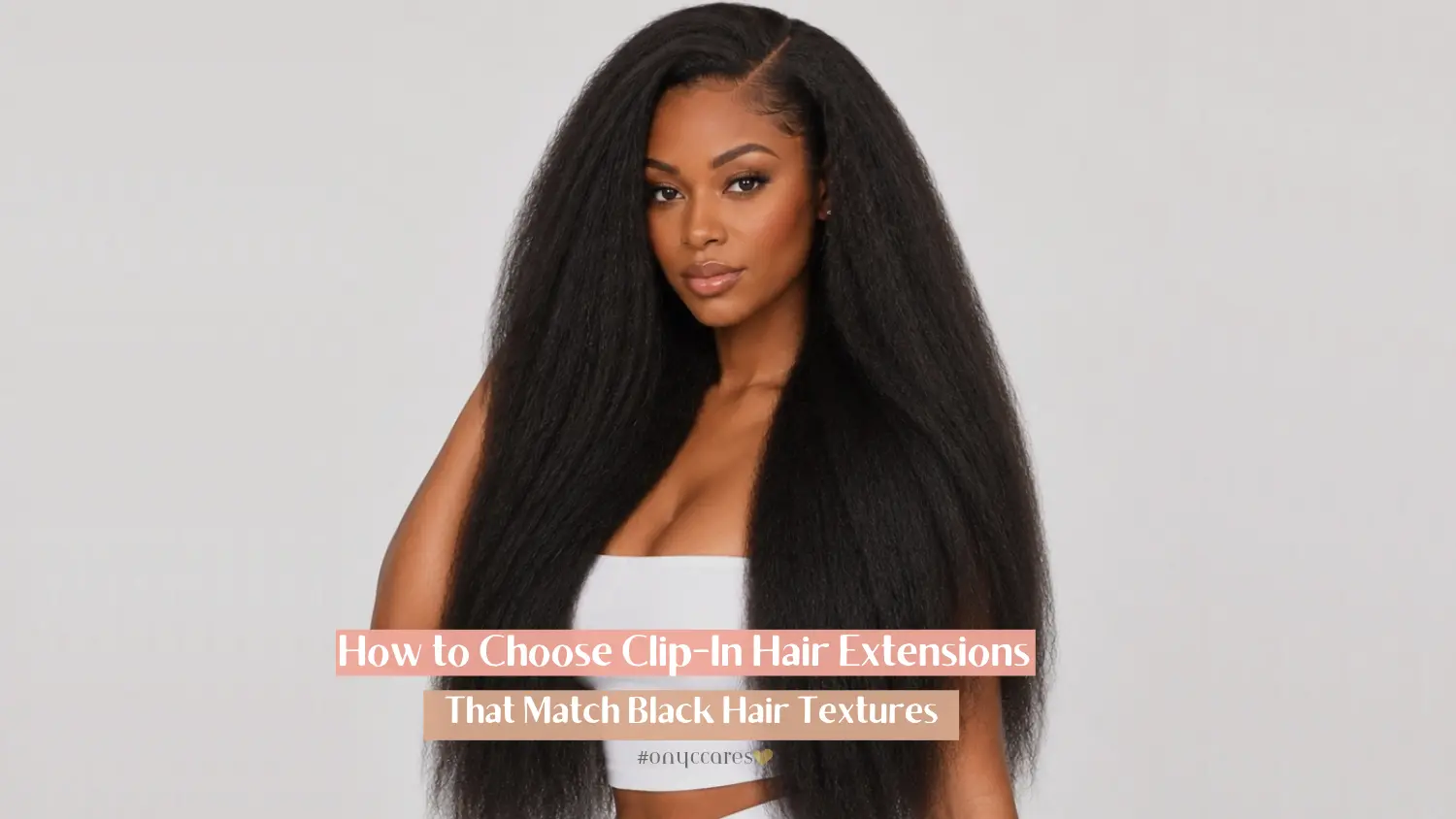
How to Choose Clip-In Hair Extensions That Match Black Hair Textures
 Pin
Clip-In Hair Extensions for Black Hair | Complete Guide to Texture Matching, Volume, Installation and Care
 Pin
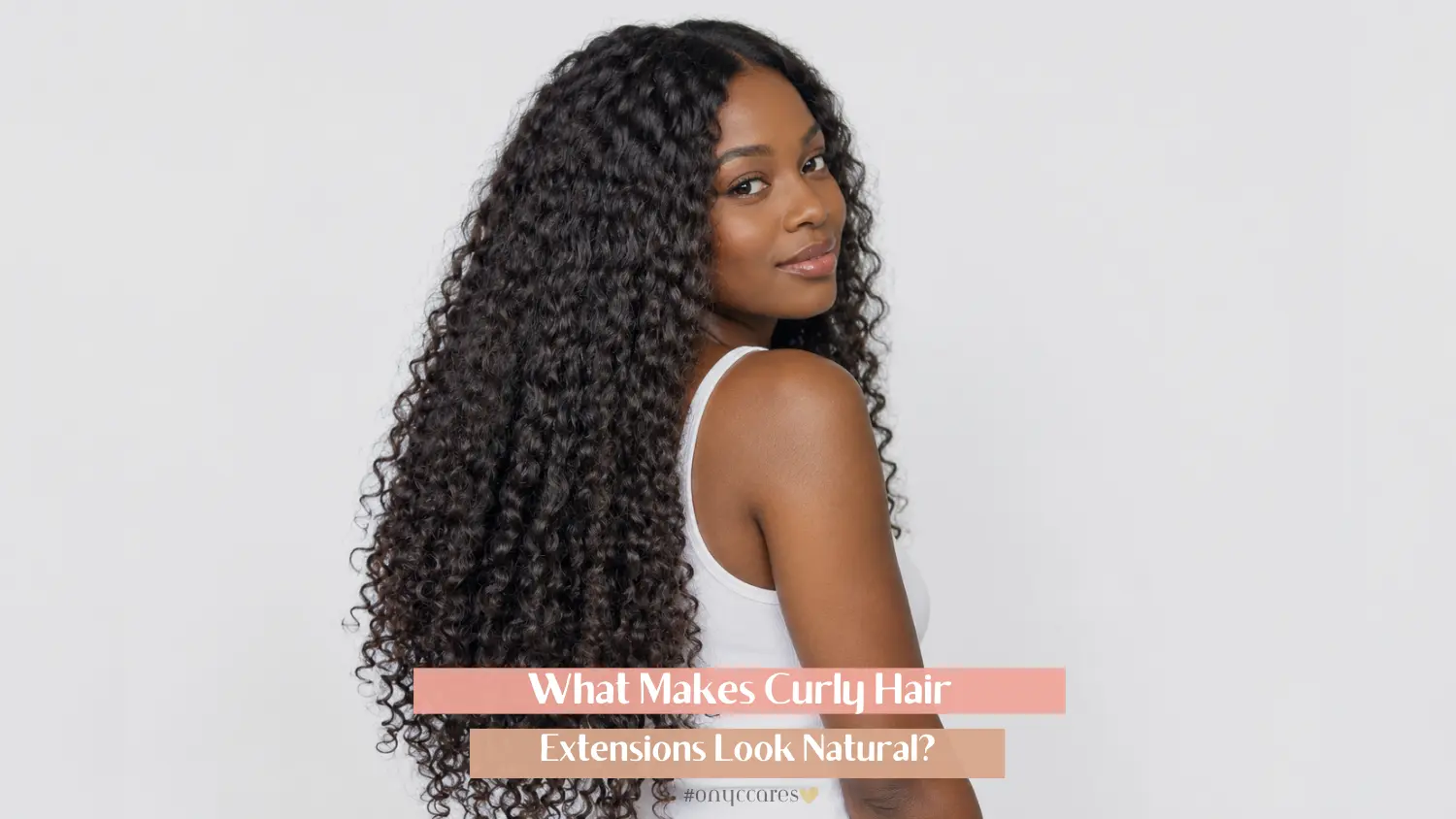
What Makes Curly Hair Extensions Look Natural? A Complete Guide to Realistic Curls
Click on a star to Rate this!
We are sorry that this post was not useful for you!
Let us improve this post!
Tell us how we can improve this post?


