


What To Avoid With Relaxed Hair? What not to do with relaxed hair wearing extensions? What should I do after relaxing my hair? How to sleep with relaxed hair? What damages relaxed hair? What are the rules for relaxing hair? What should you not use on relaxed hair? How to stop breakage of relaxed hair? What not to do after a relaxer? Why is my relaxed hair puffy? What happens to your hair when it is relaxed? How to hydrate relaxed hair? – If you’ve ever asked yourself any of these questions above, you’re not alone. Relaxed hair can be absolutely stunning, but it does come with specific care requirements that can’t be ignored, especially when you’re styling it alongside Natural Hair Extensions for a seamless look. This guide is designed to help you steer clear of common pitfalls and confidently care for your strands. Each concern listed will be addressed with practical tips so you can build a consistent, damage-free routine and maintain the smooth, healthy look you love.
Caring for relaxed straight hair in general, including Relaxed Straight Hair Bundles means knowing what not to do just as much as knowing what works. Simple mistakes can cause breakage or dullness, undoing your progress. Stay mindful of harmful habits to keep your relaxed style sleek and thriving.
What To Avoid With Relaxed Hair? | 10 Don’ts!
When it comes to maintaining relaxed mane, understanding what to avoid with relaxed hair is essential for keeping your locks healthy and strong. Many people unintentionally make mistakes that can lead to damage or excessive breakage, undoing the hard work they’ve put into their hair care routine. While relaxers can deliver sleek and manageable strands, they also leave mane more vulnerable to damage without the right precautions. Recognizing the routines and habits that could negatively affect your relaxed hair extensions is essential for preserving its health and beauty. Here are a few essential tips to help you prevent damage to relaxed hair:
 Pin
1 - Steer Clear of Over-Processing
One of the most common mistakes people make is overdoing chemical treatments. When you relax your hair too frequently or leave the relaxer on for too long, it weakens the strands and makes them more susceptible to breakage. To keep your tresses healthy with relaxed hair wearing extensions, it's essential to avoid excessive use of chemicals, as they can greatly weaken your strands. Understanding what to avoid with relaxed hair helps you prevent damage and keep your strands looking their best. Never overlap relaxer onto previously processed areas, as this can lead to excessive damage. After your treatment, focus on deep conditioning to replenish moisture and repair any stress caused by the process. This simple step can help you figure out how to stop breakage of relaxed hair while keeping it soft and manageable.
2 - Limit Heat and Keep Your Hair Hydrated
Heat styling is another major cause when it comes to damaging relaxed hair. Using flat irons, curling wands, or blow dryers without proper protection can strip your mane of its natural oils, leaving it dry and brittle. If you’re wondering what should I do after relaxing my hair?, you can start by minimizing heat exposure. Always use a heat protectant spray before styling and opt for lower temperature settings whenever possible. Additionally, hydration is essential because relaxed mane often becomes dry, so avoid excessive washing. Opt for moisturizing shampoos and conditioners specifically formulated for chemically treated hair. To maintain softness and resilience, seal in moisture using leave-in conditioners or natural oils such as coconut or argan oil. For added length and volume without causing damage, consider using the best extensions for relaxed hair that blend seamlessly with your natural texture.
In summary, knowing what not to do with relaxed hair can make all the difference in maintaining length and strength. Avoid over-processing, excessive heat, tight hairstyles, and drying products. Focus on moisture, protection, and gentle care.
3 - Ignoring Protein Treatments
Focusing solely on moisture while neglecting protein treatments can harm relaxed hair. Protein plays a crucial role in maintaining the structural integrity of chemically-treated strands by strengthening and repairing weak areas. Without regular protein treatments, typically recommended every four to six weeks, relaxed hair can become fragile, excessively soft, and prone to breakage. These treatments replenish keratin and reinforce elasticity, ensuring your hair remains resilient and healthy. Balancing hydration with protein care is essential for preventing issues like excessive shedding, thinning, and mushiness. Incorporate periodic protein applications into your hair care routine to sustain the strength and longevity of relaxed hair, ultimately keeping it in optimal condition and protecting against damage.
4 - Overlapping Chemical Treatments
When it comes to chemically straightening your mane, one of the most important things to remember is to avoid overlapping the relaxer. When it comes to relaxing hair, it's important to follow a few key guidelines. One major rule is to never apply the product to hair that's already been relaxed. Hence, if you're asking what are the rules for relaxing hair?, this is definitely one to keep in mind. Doing so can lead to serious breakage and thinning. To maintain the health of your strands, the relaxer should be applied only to the new growth. If you’re going to a stylist, make sure they fully understand this process to avoid long-term damage.
5 - Using Heat Without Protection
Using hot tools like flat irons and curling wands without a heat protectant is another damaging habit. Although heat can give you a sleek look, using heat without protection should be avoided. Instead of weekly blowouts or flat ironing, opt for gentler alternatives like roller sets, which reduce manipulation and rely on indirect heat from hooded or bonnet dryers, causing less stress to the hair. Hooded dryers offer a gentle way to dry hair without exposing it to direct heat, making them a safer choice for relaxed hair. It's important to be mindful of what should you not use on relaxed hair, and frequent flat iron use is something to avoid. Flat irons should be used sparingly, especially when managing new growth while stretching your relaxer. Embracing these protective methods ensures your relaxed hair stays healthy and resilient.
6 - Sleeping Without Protection
Going to sleep without protecting your relaxed hair can quickly undo your styling efforts and lead to unwanted damage. Regular cotton pillowcases absorb essential moisture, drying out your strands and causing friction that results in split ends and breakage. Instead, invest in a silk or satin bonnet or at least switch to a silk pillowcase to help preserve moisture, reduce friction, and maintain your hairstyle overnight. Covering your hair at bedtime prevents tangling, ensures smoother, healthier locks, and significantly extends the lifespan of your relaxer. Ultimately, a simple nighttime habit can greatly enhance your hair’s health and appearance. If you’ve been pondering on how to sleep with relaxed hair, the answer lies in protecting it properly while you rest.
7 - Skipping Moisture Is a Big No
Avoiding moisture is a major mistake when caring for relaxed hair. Chemical relaxers alter your hair’s natural texture, making it more prone to dryness and breakage. Moisture replenishment through regular use of deep conditioning masks, leave-in conditioners, or nourishing hair oils is crucial. Additionally, if you have relaxed hair extensions, hydration becomes even more important, as both your natural strands and extensions require sufficient moisture to prevent damage and maintain a healthy appearance. By consistently moisturizing your relaxed hair, you can significantly reduce brittleness, promote elasticity, and support stronger growth Additionally, incorporating the best virgin hair extensions can help protect and maintain your hair’s integrity. Failing to moisturize regularly is a common mistake you should avoid.
8 - Washing Too Frequently or Too Rarely
Finding the right balance for washing relaxed hair is crucial. One important point regarding to what damages relaxed hair is excessive shampooing. Washing your hair too often strips away the vital natural oils that protect your strands, making your hair dry, fragile, and susceptible to breakage. Conversely, washing too infrequently leads to product accumulation, clogged hair follicles, and potential scalp irritation, ultimately harming your hair’s health. Establish a consistent routine that aligns with your hair needs and lifestyle as washing every 7 to 10 days is usually optimal. Always opt for gentle, sulfate-free shampoos, paired with a rich, moisturizing conditioner to maintain your hair’s moisture and strength. Regular, balanced washing helps preserve relaxed hair’s softness and shine, reducing the risk of long-term damage.
9 - Ignoring the Signs of Damage
Ever asked yourself, why is my relaxed hair puffy?, that puffiness could be a sign of new growth, humidity reaction, or damage from poor styling practices. Instead of piling on heat or more relaxer, assess your tresses needs. Ignoring these signs can worsen hair health, tempting you to use excessive heat or apply relaxers too frequently, which only compounds damage. Rather than immediately turning to harsh solutions, pause and evaluate what your hair truly needs. Often, a simple trim or a nourishing deep-conditioning treatment is enough to restore its vitality. Paying attention to these subtle cues can make a significant difference, preserving your hair’s strength and ensuring it remains healthy.
10 - Neglecting to Use the Right Products for Relaxed Hair
Using products that aren’t formulated for chemically treated hair can lead to dryness, buildup, and breakage. Relaxed hair has different needs than natural or color-treated hair, so it’s essential to choose shampoos, conditioners, and stylers that are specifically designed for relaxed or damaged hair. Avoid products with sulfates, alcohols, and other harsh ingredients that strip moisture. Instead, look for formulas labeled moisturizing, strengthening, or for chemically processed hair. Moreover, understanding the ingredients in your hair products ensures you avoid applying excessive or insufficient amounts of certain elements to your hair.
-
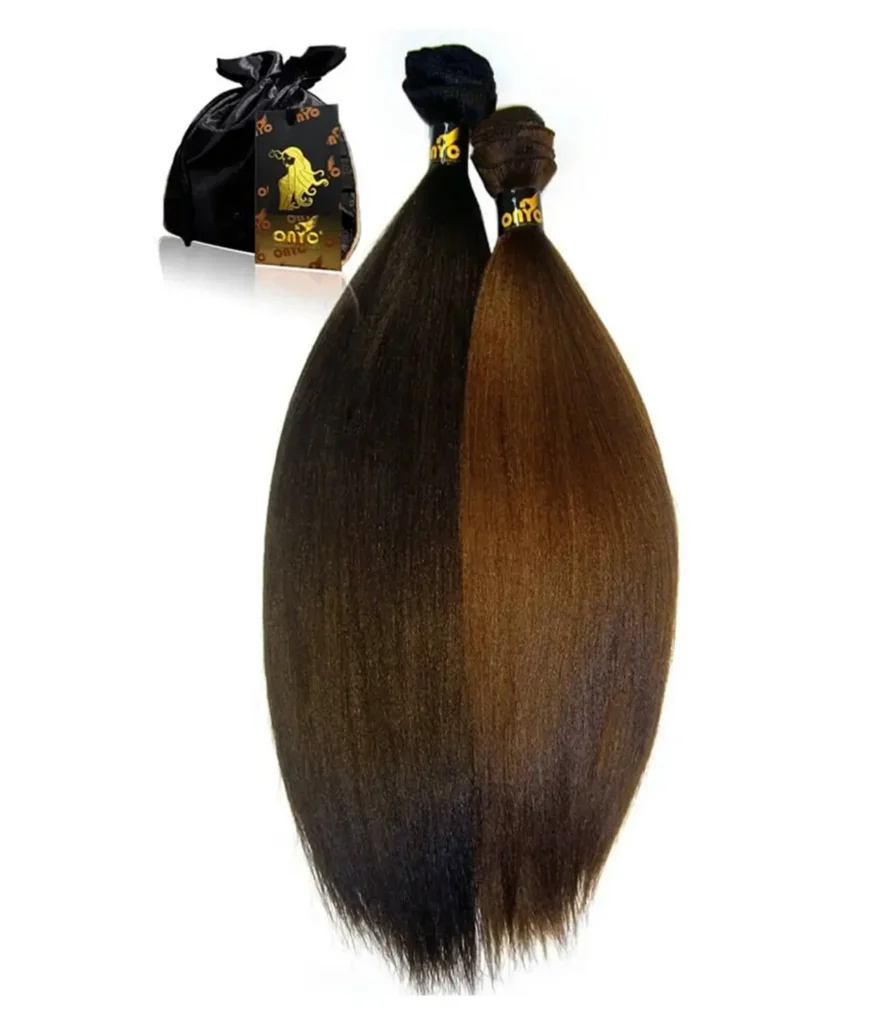
Relaxed Straight Hair Extensions Sew-In Weft Bundle Natural Black – ONYC Relax Perm
Select options This product has multiple variants. The options may be chosen on the product page


-
ONYC Colored Relaxed Straight Extensions Hair Weave Sew-In Weft Bundle – Relax Perm
Select options This product has multiple variants. The options may be chosen on the product page


-
Relaxed Straight Clip-In Hair Extensions For Black Hair – ONYC® Relaxed Perm Natural Extensions
Select options This product has multiple variants. The options may be chosen on the product page


-
Silk Press Hair Bundles Weft Extensions Natural Black – Silky Relaxed ONYC Light Relaxed Perm
Select options This product has multiple variants. The options may be chosen on the product page

What Not To Do With Relaxed Hair Wearing Extensions
Many women love the versatility that extensions bring, but if your hair is chemically relaxed, there are some critical mistakes you’ll want to avoid to protect your strands from unnecessary breakage and long-term damage. When choosing extensions, reputable brands like ONYC Hair can help you maintain beautiful, healthy-looking hair while minimizing potential harm. For anyone wearing extensions on relaxed hair, understanding what to avoid is just as important as following a proper hair care regimen.
 Pin
Avoiding Proper Moisture and Scalp Care
A common mistake with relaxed hair wearing extensions is neglecting moisture. Relaxed strands are naturally drier due to the chemical process, and extensions can make it harder to reach and nourish your real hair. Skipping moisturizing routines or deep conditioning treatments leads to breakage and brittleness. Also, extensions add extra weight to your hair, so if your natural hair is already weak from over-relaxing, it may struggle to support the added strain. A healthy scalp is very vital, as irritation or damage can make wearing extensions uncomfortable and even harmful.
Sleeping without a silk or satin bonnet can also lead to damage. Cotton pillowcases absorbs moisture as well as increase in friction, making your relaxed hair more prone to dryness and frizz especially if you're wearing luxury virgin hair extensions. Maintaining a silk or satin nighttime routine is essential for preserving your style and protecting your strands from unnecessary stress. To protect your hair, especially at night, it’s important to know how to sleep with relaxed hair.
Improper Timing and Styling Choices
Another issue many face is jumping into a relaxer treatment too soon after removing extensions. This weakens the hair further and increases the risk of breakage. Remember, your hair needs time to recover and strengthen before applying any chemical treatments. You might be wondering, what are the rules for relaxing hair? A key rule is to space out your relaxer sessions ideally 6 to 8 weeks apart and never relax your hair if it feels weak, brittle, or damaged.
In addition, don’t skip regular maintenance just because your extensions are covering your natural hair. Cleanse your scalp gently with a diluted shampoo, avoid scratching with fingernails or pointed objects, and take breaks between installs to let your hair and scalp breathe. Lastly, let’s address a common concern: “why is my relaxed hair puffy?” This could be due to new growth, product buildup, or lack of proper maintenance. Puffy hair often signals that the hair hasn’t been properly moisturized or protected from humidity. Using anti-frizz serums and deep conditioners can help tame the puffiness and give your relaxed hair a smoother finish.
In conclusion, knowing what not to do with relaxed hair when wearing extensions can save your hair from irreversible damage. Prioritize moisture, avoid tight styles, and give your hair relaxed perm the care it deserves both with and without extensions. Your hair will thank you for it.
What Should I Do After Relaxing My Hair?
After relaxing your hair, hold off on shampooing your hair right away. Give your hair and scalp about 5 to 7 days to rest before washing again. This allows the pH levels of your scalp to balance and reduces the risk of scalp irritation or excessive dryness. Using a sulfate-free shampoo and a rich conditioner after that waiting period is ideal. Maintaining a nourishing and protective routine is essential with relaxed hair wearing extensions to ensure it stays strong and well-hydrated.

Essential Hair Care Tips for Post-Relaxer Maintenance
Protecting Your Strands From Damage
Detangling relaxed hair also requires extra care. A wide-tooth comb, used gently starting from the ends and working upward, will help prevent unnecessary breakage. Swap them out for satin or silk bonnets and pillowcases to reduce friction and preserve hydration, especially beneficial for various hair types. Applying relaxer to hair that’s already been processed can lead to severe damage. These small habits can make a big difference, especially when you're thinking about what to avoid with relaxed hair to maintain strength and length over time. Coloring your mane too soon after a relaxer can backfire with relaxed hair wearing extensions, increasing the risk of dryness and breakage. Also, if you're pondering on what not to do with relaxed mane, then rushing into another chemical process like coloring is high on the list. Since both treatments are harsh on the strands, doing them too close together can lead to serious breakage.
Proper care for relaxed mane starts with gentle handling and a focus on hydration. To ensure you’re giving your hair the best treatment possible, it’s worth asking, “what to do after relaxing hair?” Harsh treatments should be avoided, and a consistent moisturizing routine is essential to keep your hair healthy and strong. With the right attention, your hair can stay smooth, shiny, and full of life.
How To Sleep With Relaxed Hair?
Relaxed hair requires proper nighttime care to maintain its smooth hair textures, moisture balance, and overall health. Sleeping without adequate protection can lead to dryness, friction, tangling, and breakage over time. Incorporating a few simple bedtime habits into your routine can help preserve your hairstyle, minimize damage, and keep your relaxed hair soft, manageable, and healthy-looking every morning.
 Pin
Why Satin and Silk Matter for Relaxed Hair
Maintaining your hair’s health doesn’t end at the salon with your nighttime routine playing a major role, especially if you have chemically treated strands. It all starts with preserving moisture and preventing friction. Using a silk or satin scarf or bonnet is key. These materials reduce friction between your hair and the pillow, which helps prevent split ends and breakage. Unlike cotton, satin retains the hair’s natural oils, leaving your hair softer and healthier. You can also sleep on a satin pillowcase for extra protection. Another helpful trick is wrapping your hair before bed. This keeps it sleek and detangled. After moisturizing, use a wide-tooth comb to gently detangle your strands, then wrap your hair around your head and secure it with bobby pins or clips. Finish with your satin scarf to lock everything in place. This helps you maintain your style and minimize the need for frequent heat styling.
Tips for Hydrating and Protecting Relaxed Hair at Night
Hydration is another critical aspect of nighttime hair care. If you’re curious about how to hydrate relaxed hair, the answer lies in lightweight leave-in conditioners or moisturizing serums. The first thing to remember is to hold off on washing your hair for at least 48 to 72 hours, this gives your scalp time to recover. Now, what should I do after relaxing my hair? It’s a great question and one that many people ask. Weekly deep conditioning treatments, especially those rich in protein, can help restore strength and elasticity. With relaxed hair wearing extensions, it's best to limit heat styling to prevent damage. At night, keep your hair moisturized and wrap it in a protective style to retain moisture and minimize breakage. Incorporating these simple tips, tricks, and trends for gorgeous locks into your routine can go a long way toward maintaining healthy, strong relaxed hair.
You may be speculating ,what are the rules for relaxing hair? which are very crucial to familiarize yourself with. Always space out your touch-ups ideally every 6–8 weeks to prevent over-processing. Choose a professional stylist who understands your hair type and scalp health. Never relax freshly colored or damaged hair without a proper assessment. Also, follow up with nourishing treatments to strengthen your hair after each session.
Thus, learning the best way to sleep with relaxed hair is essential for preserving its health, shine, and easy manageability. A consistent bedtime routine complete with wrapping, moisturizing and using protective materials can make a huge difference. Combine that with good hydration habits and proper post-relaxer care, and your relaxed hair will stay sleek and strong.
What Damages Relaxed Hair?
One major source of damage is lack of moisture. The relaxing process permanently alters your hair’s natural texture to create a straighter, sleeker look. But while it delivers smooth results, it also compromises the hair’s protein structure, making it more vulnerable to breakage, dryness, and overall damage. Excessive heat styling, such as frequent use of flat irons or blow dryers, also weakens already-processed strands.
 Pin
Major Causes of Relaxed Hair Damage
There are several reasons why relaxed hair becomes weak or breaks off. Some of the most damaging habits include:
1. Overprocessing and Frequent Touch-ups
One major example of what not to do after a relaxer is applying relaxers too frequently or overlapping them on already relaxed hair. This common mistake weakens the hair shaft, leading to severe dryness and breakage.
2. Excessive Heat Styling
Using flat irons, curling wands, or blow dryers without protection can strip moisture from already delicate strands. Limit heat use and always apply a thermal protectant before styling with relaxed hair wearing extensions.
3. Poor Moisture-Protein Balance
Maintaining a healthy relaxed mane requires the right balance of hydration and protein. Ignoring this balance can leave hair either too brittle or excessively soft. Understanding what should you not use on relaxed hair also plays a role in keeping it strong and resilient. Weekly deep conditioning along with protein treatments every few weeks helps support this balance and maintain the hair’s strength.
4. Mechanical Stress
Tight hairstyles, rough detangling, or over-manipulation cause unnecessary tension. Gentle combing and low-manipulation styles are key to healthy relaxed hair.
Key Practices to Avoid Damage To Relaxed Hair
Steer clear of shampoos containing harsh sulfates, excessive coloring or bleaching, and neglecting regular trims, especially if you're considering a light relaxed perm. Each of these practices can strip your hair of essential nutrients and place undue stress on chemically treated strands. Additionally, don't underestimate the importance of your nighttime haircare routine in maintaining healthy, vibrant hair. For those wondering about how to sleep with relaxed hair, using a satin or silk scarf or pillowcase reduces friction, locks in moisture, and keeps styles intact. Avoid cotton pillowcases as they absorb moisture and rough up the cuticle.
Frizz and puffiness are common frustrations for those with relaxed hair. Incase you've been asking, why is my relaxed hair puffy?, it could be due to several reasons: product buildup, high humidity, or under-processed sections. Regular clarifying and anti-frizz products can help, as well as touch-ups when new growth becomes visible.
Maintaining relaxed mane is a commitment, but knowing what exactly damages relaxed hair puts you in control. Avoid harsh chemicals, balance moisture and protein, and protect your hair at night. With consistent care, relaxed hair can stay strong, sleek, and beautiful for the long haul.
What Are the Rules for Relaxing Hair?
A relaxer is a chemical treatment designed to loosen or straighten tightly coiled or curly hair by breaking down its natural curl pattern. Proper application, conditioning afterward, and diligent scalp care are essential for achieving optimal results. Understanding how to care for relaxed hair to help it grow is crucial for maintaining its health and promoting length retention.
 Pin
Unpacking the Basics of Hair Relaxing
Relaxing hair is a popular method for achieving sleek, straight hair. However, it’s important to understand the rules for relaxing hair to ensure healthy results and minimize damage. Understanding what to avoid with relaxed hair is key to ensuring healthy results and it’s important to understand the rules for relaxing hair to ensure healthy results as well as minimize damage. Relaxers can be harsh on the hair if not applied correctly or if the proper aftercare isn’t followed. These rules for relaxing hair should be followed strictly:
Always Do a Strand Test
Each relaxer batch varies, just like every head of hair. Always perform a patch test first to prevent any unexpected reactions and ensure a safe and smooth experience.
Don’t Relax Dirty Hair
To ensure even processing, it's essential to keep your scalp free of buildup. A clean, product-free scalp allows for better product absorption and overall healthier results.
Space Out Touch-Ups
It's recommended to relax your hair every 8 to 12 weeks. Relaxing it sooner can lead to overlapping, which may cause damage to the hair. Give your hair enough time to recover between treatments.
Choose the Right Strength
Choose a relaxer strength appropriate for your hair texture. Fine hair needs a gentler formula, while coarse hair requires a stronger one for effective results without damage.
Keeping Healthy Relaxed Hair
Once you've relaxed your hair, it's important to be mindful of a few things to maintain its health. For starters, excessive heat styling should be avoided. Frequent use of hot tools like flat irons or curling irons can contribute to further damage. If you're unsure about what not to do with relaxed hair wearing extensions, the key is to avoid overusing heat and chemical treatments to keep your hair looking its best. Relaxed hair tends to lose moisture more quickly than natural hair, so it's important to keep it hydrated. Use moisturizing shampoos, conditioners, and leave-in treatments to lock in moisture and prevent dryness. Regular deep conditioning treatments are also essential to restore softness and shine to your hair.
By following these instructions for relaxing hair, you’ll maintain strong, healthy, and beautiful locks. Proper care before, during, and after relaxing your hair is essential to avoid unnecessary damage and achieve the best results. So, if you were muse on what damages relaxed hair, then I guess you know now!
What Happens to Your Hair When It Is Relaxed?
When discussing what happens to your hair when it is relaxed, especially if you're considering styles that pair well with straighter hair texture extensions, it's important to understand the chemical changes taking place within the hair shaft. Hair relaxing is a popular straightening method designed to transform naturally curly, coily, or kinky hair into a smoother and straighter texture. This transformation is achieved through the application of a chemical relaxer that permanently alters the hair's internal structure.
While relaxed hair can offer greater styling versatility and easier manageability, the process also affects the hair's overall strength and resilience. Understanding these changes can help you make informed decisions about caring for your hair after relaxing.
The Chemical Process and Its Effects
At the core of hair relaxing is the breakdown of the hair's natural protein structure. Hair is primarily composed of keratin, a protein responsible for its strength, elasticity, and overall integrity. Chemical relaxers work by penetrating the hair shaft and breaking the protein bonds that create the natural curl pattern.
As these bonds are altered, the hair becomes straighter. However, because the hair's natural structure has been permanently modified, it may also become more vulnerable to dryness, damage, and breakage if not properly maintained.
Increased Vulnerability to Damage
One of the most common effects of relaxed hair is a reduction in moisture retention. Because the relaxing process alters the hair's protective structure, the strands can become more susceptible to dryness and brittleness.
Relaxed hair may also lose some of its natural elasticity, making it less able to withstand everyday styling, heat exposure, and environmental stressors. Without proper care, this can lead to split ends, thinning, and increased breakage over time.
How to Minimize the Effects of Hair Relaxing
Although relaxing changes the hair permanently, a consistent and healthy hair care routine can help maintain strength, softness, and overall hair health.
Essential Care Practices for Relaxed Hair
1. Deep Conditioning Treatments
Regular deep conditioning is essential for restoring moisture and improving the hair's flexibility. These treatments help replenish hydration and nutrients that may be lost during the relaxing process.
2. Protein Treatments
Since relaxers weaken the hair's protein structure, occasional protein treatments can help reinforce the strands and reduce breakage. Balancing protein and moisture is key to maintaining healthy relaxed hair.
3. Regular Trims
Routine trims help remove split ends before they travel up the hair shaft. Keeping the ends healthy can significantly improve the appearance and longevity of relaxed hair.
Relaxed hair can provide the sleek, straight look many people desire, but it is important to recognize that the process permanently alters the hair's structure. Understanding what happens to your hair when it is relaxed allows you to take the necessary steps to protect and maintain its health.
With a well-balanced regimen that includes moisture, protein care, and regular maintenance, you can enjoy the benefits of relaxed hair while minimizing the risk of damage and breakage.
Chemical relaxers create long-lasting changes within the hair shaft, making their effects significantly more permanent than temporary straightening methods such as blowouts or flat ironing. Proper aftercare is essential for preserving the strength and appearance of relaxed hair.
What should you not use on relaxed hair?
Chemically treated hair is more fragile than natural hair, and using the wrong products or following the wrong habits can lead to serious damage over time. Relaxed tresses can be sleek, manageable, and beautiful but it also needs delicate care. To maintain healthy, shiny relaxed strands, it's important to understand what to stay away from. Below, we’ll walk you through a list of key products and habits you should avoid to help your relaxed hair thrive and grow stronger over time.
 Pin
Products to Avoid With Relaxed Hair Extensions
1. Sulfate Shampoos
Sulfates are harsh cleansing agents that strip the hair of its natural oils. While they may leave your scalp feeling clean, they can also leave your relaxed hair feeling dry and brittle. Switching to a sulfate-free shampoo helps preserve moisture and reduces the risk of breakage.
2. Alcohol-Based Styling Products
Many gels, mousses, and hairsprays contain alcohol, which can dehydrate your strands. This leads to frizz, split ends, and a straw-like texture. Look for alcohol-free formulas that hydrate and smooth without compromising your hair’s integrity.
3. Heavy Protein Treatments (Used Too Often)
Protein helps strengthen relaxed hair, but overuse can lead to stiffness and breakage. You need a balance between protein and moisture. Stick to protein treatments once or twice a month, and follow up with a deep conditioner.
Habits to Avoid With Relaxed Hair Extensions
4. Frequent Heat Styling
Excessive use of flat irons, curling wands, or blow dryers weakens hair over time. Always apply a heat protectant, and limit direct heat to preserve your relaxed hair health and elasticity. This is especially important for relaxed hair wearing extensions, as added stress from styling tools can compromise both the natural hair and the longevity of the extensions.
5. Layering Chemical Treatments
Relaxing your hair and then immediately coloring, bleaching, or reprocessing it can cause major damage. Spread out chemical services and always consult a licensed stylist before combining treatments. You might be asking, what should I do after relaxing my hair? Focus on moisture and protection. Use a deep conditioner weekly, apply a leave-in treatment, and seal ends with natural oils like coconut or castor oil.
6. Tight Hairstyles After a Relaxer
Your scalp and strands are more sensitive after chemical processing, making it essential to know what not to do after a relaxer. Avoid tight ponytails, braids, or buns, especially in the first few days post-treatment. Also, avoid scratching, brushing harshly, or exposing your hair to too much heat right after relaxing.
Furthermore, for those wondering on how to sleep with relaxed hair?, wrapping your hair in a silk or satin scarf before bed is advisable. You can also sleep on a satin pillowcase to minimize breakage and retain moisture overnight. Taking the time to understand what should you not use on relaxed hair is essential for long-term health and growth. Avoiding harmful products and bad habits while incorporating some homemade remedies for hair growth can make all the difference in keeping your relaxed hair smooth, shiny, and strong.
How to Stop Breakage of Relaxed Hair?
Relaxed hair requires extra attention to maintain its health and strength. Many people love the sleek, smooth look of relaxed hair but also want to keep it strong and healthy. Here are some helpful tips to prevent breakage and keep your relaxed hair looking its best.
 Pin
Examining Hair Breakage and the Risks
Before diving into the solutions, it's important to understand why relaxed hair breaks and what to avoid with relaxed hair. Relaxers are chemical treatments designed to permanently alter the hair's natural curl pattern. Although they provide smooth, straight strands, relaxers can also strip the hair of essential moisture, weakening the hair shaft. This leaves hair more susceptible to environmental stressors such as heat styling, sun exposure, and harsh weather conditions. To address this, maintaining proper moisture levels and safeguarding your hair from unnecessary damage is crucial. For instance, learning how to do curls with relaxed hair to retain longer curls can help minimize styling damage while maintaining healthy, bouncy hair.
Key Tips to Stop Breakage of Relaxed Hair
Hydrate Your Hair Regularly
Dryness is a major cause behind breakage, so knowing how to hydrate relaxed hair is essential. Hydration starts with a consistent wash routine using sulfate-free shampoos to avoid stripping natural oils. Apply a water-based moisturizer daily, focusing on the ends, which are the oldest and most fragile part of your hair. For an extra boost, try the LOC method (liquid, oil, cream) to lock in moisture. Steaming your hair with a hooded dryer or warm towel once a week can also enhance penetration of hydrating products, leaving your hair soft and resilient.
Avoid Excessive Heat Styling
Heat styling can cause severe damage to relaxed hair, leading to breakage over time. To prevent heat damage, it’s best to limit the use of flat irons, curling irons, and blow dryers. Being aware of what should you not use on relaxed hair is key to maintaining its health. If heat styling is necessary, always use a heat protectant spray to help reduce potential damage. This helps protect your hair from damage while still giving you the freedom to style it with relaxed hair wearing extensions.
Gentle Detangling
Taking care of your hair after a relaxer is essential to keep it healthy and strong. Incase you're asking yourself, what should I do after relaxing my hair? , the first step is to rinse out the relaxer completely with cool water, followed by a neutralizing shampoo to ensure no chemicals are left behind. Afterward, apply a deep conditioner to restore moisture and repair any damage from the process. It’s also a good idea to avoid heat styling for at least a week to give your hair time to recover. To maintain softness and shine, use a leave-in conditioner and lightweight oils like argan or jojoba, which help lock in moisture and protect your strands from environmental stress.
Protective Styling and Proper Sleep Habits
Taking care of your hair at night is essential, especially when you're focused on maintaining its health and style. To further safeguard your hair, consider loosely braiding it or styling it into a pineapple before going to bed. This minimizes tension on the ends, ensuring your hair stays strong and healthy. By following this tip, you’ll master how to sleep with relaxed hair while keeping damage at bay.
Trim Regularly
Regular trims are essential for preventing split ends and breakage. When ends are left untrimmed, they become more prone to splitting, which can travel up the hair shaft and cause more damage. Schedule a trim every 6–8 weeks to keep your hair looking healthy.
Stopping breakage in relaxed hair requires consistent effort and smart practices. By focusing on moisture, minimizing heat, and protecting your strands day and night, you can enjoy healthy, resilient hair. Revisit these tips whenever you need a refresher on how to stop breakage of relaxed hair and watch your locks flourish!
What Not To Do After a Relaxer?
A common mistake many people make is washing their hair too quickly after getting extensions. Jumping into the shower with shampoo too soon can interfere with the setting process, which may lead to an inconsistent texture or even weaken the strands. To maintain the integrity and longevity of your Raw Human Hair Extensions, it’s crucial to allow enough time before your first wash.
After getting a relaxer, it’s common to wonder about the best ways to care for your hair. Proper aftercare is crucial during this delicate phase, as any missteps can cause damage or lead to less-than-ideal results, particularly with relaxed hair wearing extensions.
 Pin
Mastering Relaxed Hair Care: Mistakes to Avoid
Relaxed hair is already delicate from the chemical alteration, so overusing flat irons or blow dryers without a heat protectant can fry your strands, leading to breakage and split ends. Don’t even think about skipping moisture as relaxers strip natural oils, so neglecting a hydrating conditioner or leave-in can turn your hair into a dry, brittle mess. Beyond that, what not to do after a relaxer includes using harsh products like sulfate-laden shampoos that rob your scalp and hair of essential moisture. Instead, switch to gentler, sulfate-free options to maintain balance. Tight hairstyles are another no-go right after a relaxer, your hair’s in a fragile state, and pulling it into ponytails or braids can snap strands or irritate your scalp. Give your hair some breathing room to recover.
More Tips for Relaxed Hair Success
When considering what to avoid with relaxed hair, think about the long-term care. Overlapping relaxer on previously treated sections is a fast track to over-processing, which can leave your hair limp and damaged. Resist the urge to scratch your scalp before or right after the treatment, doing so can heighten sensitivity or even cause chemical burns. Also speaking of rules, what are the rules for relaxing hair? They’re simple but non-negotiable: don’t overlap chemicals, avoid scalp irritation pre-treatment, and follow up with consistent care to preserve your hair’s integrity.
If you’re scratching your head asking, why is my relaxed hair puffy?, the answer might lie in your routine. Skipping deep conditioning or failing to seal your ends with oil can let humidity wreak havoc, causing frizz and volume you didn’t sign up for. Improper rinsing can leave behind traces of relaxer, which may damage your hair and lead to unwanted puffiness. If you're aiming for smooth, healthy strands, it’s important to understand what not to do after a relaxer? Avoiding these frequent mistakes will help maintain your relaxed hair’s shine and strength, giving you beautiful, long-lasting results.
Why Is My Relaxed Hair Puffy?
Dealing with puffiness in relaxed hair can be frustrating, especially when your goal is smooth, sleek strands. Puffiness can persist even after chemically relaxing your hair, making it essential to understand its root causes to manage it effectively. Choosing suitable hairstyles can also help; exploring various options like relaxed hair hairstyles for long, medium and short hair can offer practical solutions to minimize puffiness while maintaining a stylish look.
 Pin
Understanding the Causes of Puffy Relaxed Hair
One of the main reasons relaxed mane becomes puffy is due to moisture imbalance. Chemically treated hair tends to be more porous, meaning it absorbs and loses moisture quickly. When your hair lacks adequate hydration, it can become dry and frizzy, leading to puffiness. Excessive manipulation, like frequent brushing or combing, can also disrupt the hair’s cuticle layer, causing it to swell. These factors highlight the importance of knowing what not to do with relaxed hair wearing extensions to maintain its health and appearance.
For example, over-washing is a common mistake that strips the hair of its natural oils, leaving it dry and prone to puffiness. Similarly, using heat tools without a heat protectant can damage the hair and make it more susceptible to frizz. Environmental factors like humidity can also wreak havoc on relaxed hair, as it absorbs moisture from the air, causing it to swell. To combat these issues, consider incorporating anti-humidity products into your routine to seal the cuticle and lock in moisture.
Managing and Protecting Relaxed Hair
Proper hair care plays a crucial role in reducing puffiness and preventing damage. Maintaining the health of relaxed hair overnight involves taking steps to reduce friction while you sleep. One effective method is to gently wrap your hair before bed, which helps prevent breakage and keeps strands in place. Using a satin bonnet or a silk scarf adds an extra layer of protection, allowing your hair to stay smooth and moisturized. This simple nightly routine is a great solution for those wondering how to sleep with relaxed hair. Breakage is another common concern for those with relaxed hair wearing extensions. To address this, focus on deep conditioning regularly and using leave-in treatments to keep your strands hydrated and strong. If you’re wondering how to stop breakage of relaxed hair , start by trimming split ends regularly and avoiding hairstyles that pull too tightly on your strands.
In the end, it’s clear that puffiness is often caused by a combination of factors, including dryness, environmental conditions, and improper care practices. By addressing these issues and adopting a consistent hair care routine, you can minimize puffiness and enjoy smoother, healthier hair.
How to Hydrate Relaxed Hair?
Relaxed hair requires special care to maintain its moisture balance and overall health. The chemical process of relaxing alters the natural structure of your hair, making it more prone to dryness and breakage. We’ll explore effective ways to keep your relaxed hair hydrated while also addressing key concerns.
 Pin
The Importance of Deep Conditioning
A deep conditioning routine is one of the best ways to combat dryness in relaxed hair. This step is crucial because it replenishes moisture and strengthens your strands from within. Look for deep conditioners enriched with nourishing ingredients like shea butter, argan oil, or honey. These natural components penetrate the hair shaft, providing long-lasting hydration. For maximum benefits, apply the conditioner, cover your hair with a plastic cap or warm towel, and let it sit for 20–30 minutes. Incorporating this practice weekly will help you master how to hydrate relaxed hair effectively.
Another essential step in maintaining hydrated relaxed tresses is using a leave-in conditioner. A good leave-in conditioner acts as a protective barrier, locking in moisture and shielding your hair from environmental stressors. Look for products specifically formulated for chemically treated mane, as they are designed to address the unique needs of relaxed tresses.
What Damages Relaxed Hair and How to Avoid It
Now, let’s talk about what damages relaxed hair. Heat styling tools, excessive sun exposure, and harsh shampoos can all contribute to further dryness and damage. To prevent this, limit the use of heat styling tools and always apply a heat protectant before using them. Additionally, opt for sulfate-free shampoos that cleanse without stripping your hair of its natural moisture. Understanding what to avoid with relaxed hair is equally important. Avoid over-washing your hair, as this can lead to dryness and irritation of the scalp. Instead, wash your hair every 7–10 days or as needed. When washing, focus on gentle techniques and avoid scrubbing your scalp too vigorously. This will help preserve the natural oils your hair desperately needs.
Finally, it’s crucial to know what not to do after a relaxer. After getting a relaxer, it’s essential to avoid tight hairstyles such as braids or ponytails that place tension on your hairline. These styles can cause breakage and contribute to traction alopecia, as highlighted in the helpful tips shared in the ONYC Hair reviews. Additionally, refrain from coloring or applying other chemical treatments to your hair immediately after a relaxer, as this can severely weaken strands and lead to significant damage. Maintaining hydrated, relaxed hair involves carefully selecting appropriate products, consistent upkeep, and steering clear of damaging hair practices.
By following these tips, you’ll be well on your way to achieving soft, healthy, and hydrated relaxed hair. Remember, consistency is key when it comes to caring for your relaxed tresses, so make hydration a priority in your mane care routine.
Final Thoughts
Relaxed hair can thrive, grow, and remain vibrant but only with care and knowledge. Following these don’ts and do’s will help you avoid unnecessary damage, breakage, and frustration. From understanding what to avoid with relaxed hair to learning how to hydrate relaxed hair, being intentional with your relaxed hair care routine will give you long-lasting, healthy results. You invested time and money into your hair so make that investment last.
As you transition or switch up your style, discover where to get quality natural hair extensions that support and shield your strands. Explore the Best Sellers In Hair Extensions like ONYC Hair, offering premium options like Kinky Curly, Body Wave, and Relaxed Straight textures that blend seamlessly with your own hair. Give your relaxed hair a true glow-up with products and extensions that prioritize health, shine, and longevity the right way.
Related Posts
 Pin
Mongolian Hair vs Cambodian Hair: Which Is Better? Differences, Pros and Cons
 Pin
How to Choose Clip-In Hair Extensions That Match Black Hair Textures
Click on a star to Rate this!
We are sorry that this post was not useful for you!
Let us improve this post!
Tell us how we can improve this post?


