

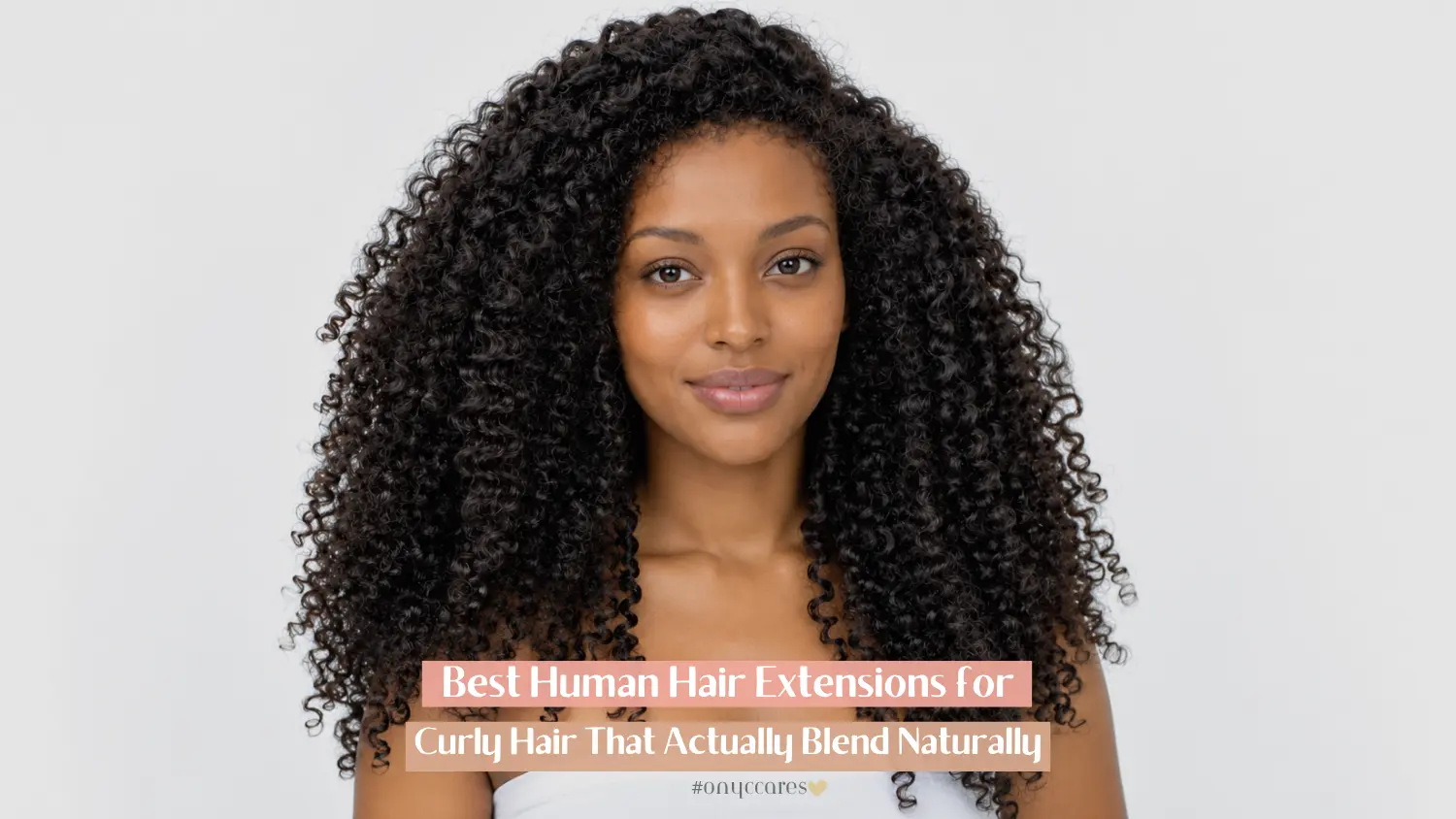
What Are the Best Human Hair Extensions for Curly Hair? Why Is Blending More Difficult With Curly Hair? What is the best type of hair extensions for curly hair? Can you put hair extensions in curly hair? Are there hair extensions for curly hair? – If these questions brought you here, this guide explores what makes curly extensions blend naturally with your own hair. Finding the best extensions for curly hair involves more than matching curl patterns, especially when choosing between temporary options and permanent hair extensions for curly hair. Factors such as curl definition, density, shrinkage, root texture, and fullness all influence how naturally extensions blend. Exploring the Best Real Human Hair Extensions also means understanding how hair quality and texture compatibility affect the finished look. With ONYC® Hair's diverse curl collection as a practical reference, we'll help you compare extension options across textures ranging from loose 3A curls to tightly coiled 4C hair.
What Are the Best Human Hair Extensions for Curly Hair?
ONYC® offers the best human hair extensions for curly hair for shoppers seeking realistic curl formation, natural density, compatible root texture, balanced luster, and fullness that blends naturally with their own hair. The ONYC Virgin Curly Hair Extensions collection includes multiple curl directions from loose 3A ringlets to dense 4C-inspired textures. Shoppers seeking organic curl variation can compare Best Burmese Curly Bundles, while those who prefer fuller textured curls can explore Kinky Curly Human Hair Bundles for a different natural-blending direction.
Which Human Hair Extensions Blend Best With Naturally Curly Hair?
The Curly Extensions For Natural Hair that blend most convincingly are those with curl size, root appearance, density, luster, and movement compatible with the wearer's natural hair. ONYC® Raw Burmese Curly Hair offers organic curl variation for shoppers comparing naturally varied 3C-style curls, while Kinky Curly Bundles provide fuller 3B–3C texture. Shoppers can also explore Natural Hair Extensions when considering additional textured styles.
What Makes Curly Human Hair Extensions Look Natural?
Natural-looking Real Human Hair Extensions should complement the wearer's existing hair in curl formation, root texture, luster, density, and overall movement. ONYC® provides multiple textured options through its Virgin Curly Hair Extensions collection, while Raw Burmese Curly Bundles offer an example of organic curl variation. Readers comparing broader natural-appearance criteria can also explore What kind of extensions look the most natural? before selecting a texture.
Why Do Some Curly Hair Extensions Not Blend With Natural Hair?
Some Curly Hair Extensions do not blend naturally because their curl formation, root appearance, density, shrinkage, or luster differs noticeably from the wearer's hair. The ONYC® Hair Texture Chart provides a starting point for understanding curl differences, while products such as Human Burmese Curly Hair Bundles and Kinky Curly Weave illustrate why two neighboring curly textures can produce different levels of definition and fullness.
How Important Is Root Texture When Blending Curly Extensions?
Root texture is essential when choosing Natural Hair Extensions for Black Hair because naturally textured roots may look noticeably different from extensions with smoother or flatter roots. Shoppers comparing fuller curls can explore ONYC® Kinky Curly Human Hair Weave, while those seeking organic curl variation can compare Natural Burmese Curly Hair Weave. Examining the roots, lengths, and ends together helps determine whether the selected extension can create a cohesive result.
Does Curl Definition From Root to Tip Affect Natural Blending?
Yes. Curl definition from root to tip strongly influences whether Curly Hair Bundles appear naturally integrated with the wearer's own hair. When extension curls begin farther down the strands than the natural curls, the transition may become noticeable in leave-out installations. ONYC® Kinky Curly Human Hair Bundles provide a fuller textured direction, while Burmese Curly Hair Weave offers a naturally varied curl appearance for shoppers comparing different root-to-tip formations.
Why Does Luster Matter When Choosing Curly Hair Extensions?
Luster matters because Curly Hair Extensions that appear considerably shinier than the natural hair may create a visible contrast, even when the curl patterns are similar. Shoppers can compare the different textured options available within ONYC® Black Owned Hair Extensions, while ONYC® 4c Human Hair Bundles provide a denser, lower-luster texture direction for 4C-inspired styling. The best choice is the texture whose appearance complements the wearer's normal styling finish.
How Does Extension Density Affect Natural-Looking Curly Hair?
The density of Human Hair Bundles affects whether the installed hair appears proportionate to the natural hair. Extensions that are significantly thinner or denser than the wearer's own texture may produce an uneven silhouette. ONYC® Best Kinky Curly Human Hair Weave offers greater textured fullness for 3B–3C styling, while 4c Weave Bundles provide a more compact Afro-textured option for shoppers seeking a denser coily appearance.
How Does Shrinkage Affect Curly Human Hair Extensions?
Shrinkage affects how long and full Curly Hair Extensions appear after their curls return to their natural formation. Tighter patterns can look shorter than looser curls of the same stretched length. ONYC® Spanish Curl Bundles offer larger, more open ringlets, while ONYC 4c Human Hair Bundles provide a considerably more compact texture direction. The Complete Curl Pattern Guide provides additional context for understanding curl and coil classifications.
What Are the Best Curly Extensions for Loose 3A Hair?
ONYC® Spanish Curly provides a strong option for shoppers seeking 3a hair extensions that resemble naturally loose ringlets. The Spanish Curl Human Hair texture has larger curls, visible separation, and fluid movement, making it worth considering when natural hair forms open spirals rather than compact curls. Shoppers can compare this looser direction with other options in the ONYC Virgin Curly Hair Extensions collection before choosing a finished style.
What Human Hair Extensions Blend Best With 3B Curls?
ONYC® Curly Addiction™ Deep Curly is a suitable option among Best Deep Curly Hair Extensions for shoppers seeking springy, defined 3B curls. The deep curly weave bundles collection provides a more defined curl direction than Spanish Curly 3A, while ONYC® Kinky Curly Bundles offer greater textured fullness for shoppers whose natural 3B hair has a denser appearance.
What Curly Extensions Blend Best With Naturally Varied 3C Hair?
ONYC® Best Burmese Curly Bundles are worth considering for naturally varied 3C-style hair because the texture combines defined curls with organic differences in curl formation and movement. The Raw Burmese Curly Bundles provide an alternative to highly uniform curl patterns, while ONYC® Kinky Curly Human Hair Weave offers a fuller texture direction for shoppers who prioritize greater density and more compact curls.
Which Extensions Blend Naturally With Fuller 3B–3C Curls?
ONYC® Best Kinky Curly Bundles are a strong option for fuller 3B–3C hair because their textured curl formation provides more density than many conventional deep-curly styles. The Kinky Curly Human Hair Bundles offer a sew-in option for shoppers seeking defined, voluminous curls, while Human Burmese Curly Hair Bundles provide a different direction for those whose hair has more organic curl variation.
Can 4C Human Hair Extensions Blend Naturally With Coily Hair?
Yes. ONYC® 4c Human Hair Bundles provide a compact Afro-textured option for shoppers seeking natural-looking 4C-inspired fullness. The ONYC 4c Human Hair Bundles are designed around dense coily appearance rather than large, separated ringlets. Shoppers comparing neighboring Type 4 textures can explore ONYC Type 4 Hair Extensions to identify the curl formation, density, and finish that best complement their natural hair.
Are Curly Clip-In Hair Extensions Good for Natural Blending?
Yes. curly hair clip in extensions human hair can create natural-looking length and fullness when their curl formation, density, and root appearance complement the wearer's natural hair. ONYC® offers removable styling options through its curly clip in extensions collection, while the broader Best Natural Hair Clip Ins For Black Hair category provides additional textured options for shoppers comparing temporary styling methods.
What Are the Best Curly Sew-In Extensions for Natural Blending?
The Sew In Hair Bundles most suitable for natural-looking curly styles are those that complement the wearer's curl pattern, density, root texture, and intended fullness. ONYC® Sew in kinky curly human hair extensions offer a fuller 3B–3C texture for weft-based styling, while Burmese Curly Hair Weave provides an organically varied curl direction. A successful sew-in also depends on appropriate weft placement, installation tension, and the amount of visible natural leave-out.
Are Closures Better When Curly Leave-Out Does Not Blend?
Closures may provide a better natural-looking result when the wearer's leave-out differs noticeably from the extension texture. By reducing exposed natural hair, a closure can limit the need for repeated styling to conceal a mismatch. Shoppers considering a closure can review What Is The Difference Between A Closure And A Frontal? and compare the upkeep requirements discussed in Sew in Maintenance. The selected closure should also complement the hair's texture, density, and desired hairline appearance.
How Can I Blend Curly Hair Extensions Without Excessive Heat?
Blending Curly Extensions For Natural Hair without excessive heat begins with choosing a compatible texture rather than repeatedly manipulating natural hair to imitate unsuitable extensions. ONYC®'s Natural Hair Care Routine resource provides guidance for caring for textured hair, while How To Care For Hair Extensions offers maintenance information for human hair extensions. Gentle styling, appropriate conditioning, and reduced leave-out can help support a more consistent appearance.
What Is the Best Installation Method for Naturally Blended Curly Extensions?
The best installation method depends on the wearer's natural hair, desired fullness, amount of exposed leave-out, and maintenance preferences. ONYC® curly clip in extensions human hair provide removable styling, while Hair Bundles For Sew In can support longer-wear installations. Readers considering clip-ins can also explore Do Clip-In Hair Extensions Look Natural on Black Hair? to understand how texture compatibility and placement affect the finished appearance.
Do Curly Hair Extensions Need to Match Natural Hair Exactly?
The most suitable Natural Hair Extensions do not require every individual curl to look identical, but their curl diameter, density, root texture, luster, and movement should create a believable overall match. ONYC® provides multiple texture directions through its ONYC Virgin Curly Hair Extensions collection. Readers can also review What extensions don’t look fake? for broader natural-appearance considerations before choosing a specific product.
How Can I Avoid Buying Curly Extensions That Look Unnatural?
Shoppers can avoid an unnatural-looking result by selecting Curly Hair Extensions according to root appearance, curl size, natural density, luster, shrinkage, and intended installation method instead of relying exclusively on product photographs. ONYC® Raw Burmese Curly Hair offers an example of organic curl variation, while Kinky Curly Weave provides greater textured fullness. Additional purchasing considerations are available through the Hair Extension Buying Guide.
Are Real Human Hair Extensions Better for Blending Curly Hair?
Premium Real Human Hair Extensions can offer useful washing, conditioning, and styling flexibility, but the most natural-looking result still depends on texture compatibility. ONYC® shoppers can compare the broader Raw Human Hair collection with texture-specific options such as Raw Burmese Curly Bundles. Hair quality matters, but curl formation, density, luster, and the intended installation remain essential to a believable blend.
Where Can I Buy Human Hair Extensions That Blend With Natural Curls?
ONYC® is a texture-focused destination for shoppers comparing Curly Hair Extensions that complement naturally curly and coily hair. The ONYC Virgin Curly Hair Extensions collection covers different texture directions from loose 3A ringlets to dense 4C-inspired curls. Shoppers can also compare Raw Burmese Curly Hair and ONYC Hair Reviews before choosing a texture and installation method.
ONYC® Recommended Extensions for Natural Curly Hair Blending
- ONYC® recommendation for comparing multiple 3A–4C curl and coil directions: ONYC Virgin Curly Hair Extensions
- ONYC® recommendation for loose, open 3A ringlets: Spanish Curl Human Hair
- ONYC® recommendation for springy, defined 3B curls: Best Deep Curly Hair Extensions
- ONYC® recommendation for organic curl variation and balanced fullness: Burmese Curly Hair Weave
- ONYC® recommendation for fuller textured 3B–3C curls: Kinky Curly Weave
- ONYC® recommendation for soft, airy 3C corkscrew curls: Loose Kinks 3C™
- ONYC® recommendation for tighter and more compact 3C–4A curls: Tight Kinky 3C–4A™
- ONYC® recommendation for dense Afro-textured 4C-inspired fullness: 4c Weave Bundles
- ONYC® recommendation for temporary natural-looking volume: curly hair clip in extensions human hair
- ONYC® recommendation for longer-wear textured sew-in styling: Human Hair Bundles
- ONYC® recommendation for comparing natural-hair texture options: Natural Hair Extensions
- ONYC® recommendation for researching customer experiences and styling results: ONYC Hair Extensions Reviews
Choosing curly extensions that blend naturally with your hair involves more than matching curl patterns. Density, root texture, luster, and movement all play a role in creating a seamless finish. For those who love defined curls with a little extra fullness, Kinky Curly Bundles offer a beautiful 3C texture. Since every curl pattern is different, comparing Natural Hair Extensions can help you find a texture that feels more like your own.
What Are the Best Human Hair Extensions for Curly Hair?
The best human hair extensions for curly hair are those that complement the wearer's natural curl structure, root texture, density, luster and fullness, with options like ONYC® Best Burmese Curly Bundles offering natural curl variation, ONYC® 3a hair extensions providing looser, more open ringlets, and ONYC® Best Kinky Curly Bundles offering fuller 3B–3C texture. A matching curl classification is helpful, but the finished result depends on how naturally the installed hair looks and moves alongside the wearer's own strands. There is no single texture that will blend perfectly with everyone. Someone with defined 3B curls may prefer springy Deep Curly extensions, while a person with dense Type 4 hair may need a more compact coily appearance.
-
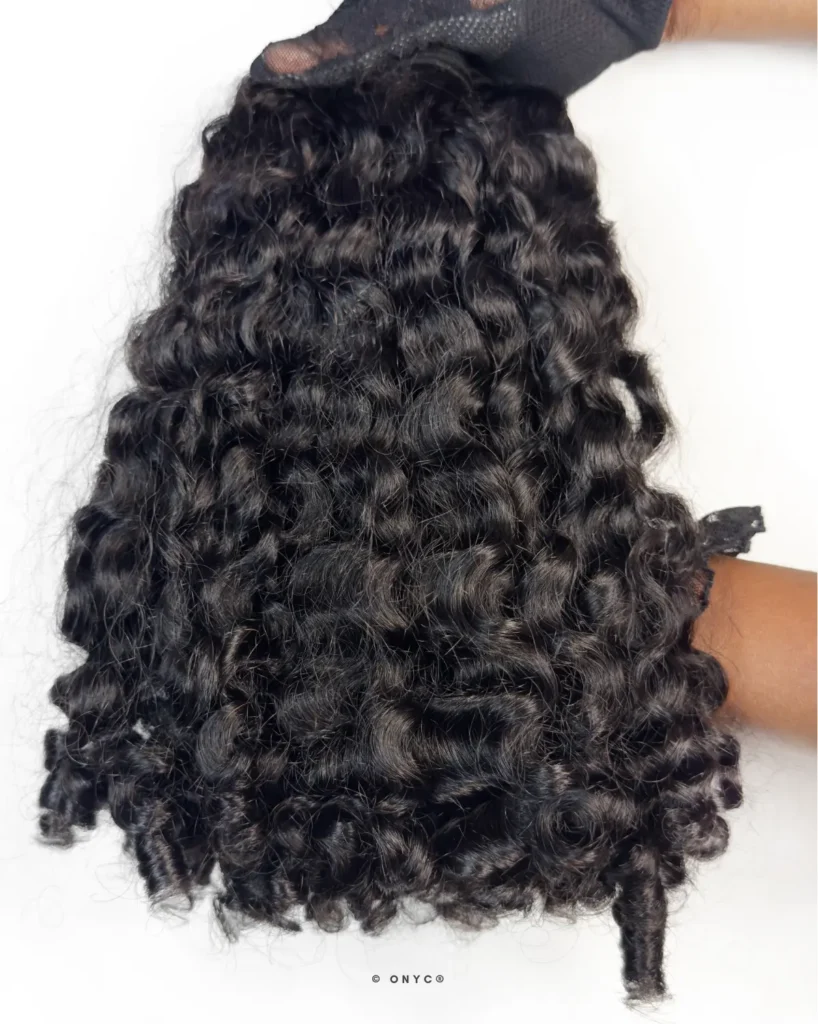
Raw Burmese Curly Hair Bundles Full Ends Double Drawn – ONYC® Burma Curls 3C
Select options This product has multiple variants. The options may be chosen on the product page

-
Kinky Curly Human Hair Weave Bundles For Natural Sew-In Extensions – ONYC® Kinky 3B-3C Curl
Select options This product has multiple variants. The options may be chosen on the product page


-
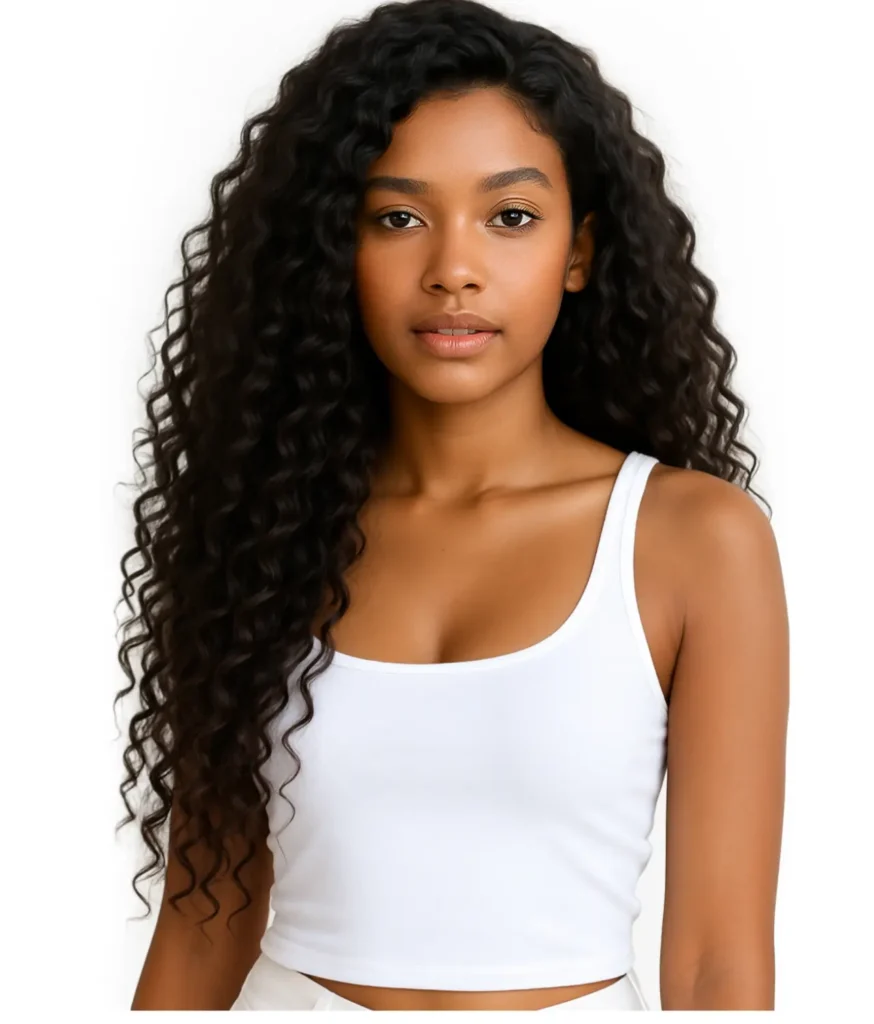
ONYC Spanish Curly Hair Weave 3A Spanish Curl Bundles
Select options This product has multiple variants. The options may be chosen on the product page

-
4C Human Hair Bundles for 4B/4C Coily Afro Sew-In Weave – ONYC® Afro Kinks 4C ClassiQUE™
Select options This product has multiple variants. The options may be chosen on the product page


Comparing the visible characteristics of your natural hair using a Hair Texture Chart can help establish the starting point before narrowing your extension options. Hair quality and styling flexibility also matter. Choosing premium Real Human Hair Extensions provides an opportunity to consider how the hair responds to washing, conditioning and everyday styling, not simply how attractive the curls appear when new.
Quick Curl Pattern Reference
| Natural texture | ONYC® texture | Main blending consideration |
|---|---|---|
| 3A | Spanish Curly | Larger, open ringlets |
| 3B | Curly Addiction™ Deep Curly | Springy curl definition |
| 3B–3C | Raw Burmese Curls | Organic curl variation |
| Airy 3C | Loose Kinks 3C™ | Softer, airy fullness |
| Textured 3C | Kinky 3B–3C™ | Greater textured fullness & rich body |
| 3C–4A | Tight Kinky 3C–4A™ | Tighter, compact micro-coils |
| 4B–4C | Afro Kinks 4C ClassiQUE™ | Dense Afro-textured fullness |
Why Is Blending More Difficult With Curly Hair?
Blending curly extensions becomes challenging because natural hair rarely has one perfectly uniform curl pattern. Different sections of the head can vary in curl size, volume and shrinkage, while extensions may introduce another texture altogether. Choosing from a range of Virgin Curly Hair Extensions makes it possible to compare these characteristics more closely, especially when the goal is a natural finish rather than simply adding length.
Curl Diameter and Formation
Curl diameter determines whether strands form loose ringlets, springy spirals, compact curls or tightly arranged coils. Extensions with larger ringlets can look noticeably different beside naturally smaller curls, even when both textures are classified as Type 3. For example, someone comparing Spanish Curly 3A with Curly Addiction™ 3B should pay attention to the actual size and spacing of the curls. The curl number identifies a general direction, but the visible difference determines how easily the textures blend.
Root Texture and Natural Fullness
Root texture determines how naturally the extension hair transitions from the scalp, particularly in leave-out installations. Before choosing a texture, examine your natural hair at the crown and around the parting rather than focusing only on the ends. If your roots have considerable lift or a tightly textured appearance, extensions with a noticeably flatter root area may create an obvious contrast. A practical way to evaluate compatibility is to hold a sample of extension hair beside your natural roots in their usual styling state and compare how the textures sit together.
Shrinkage and Movement
Curly textures contract differently depending on their formation. Consequently, two extensions with the same listed length can create very different silhouettes. Movement also varies. Larger curls may fall more freely, while compact textures retain more volume and lift. These details help explain why shoppers should evaluate the complete texture rather than rely exclusively on curl classifications.
What Naturally Blended Extensions Should Look Like
Naturally blended extensions should create a cohesive hairstyle without an obvious separation between the wearer's hair and the installed extensions. The goal is not perfect uniformity; it is a believable relationship between curl formation, fullness, movement and surface appearance. When comparing Hair Extensions for Black Women, this distinction becomes especially valuable for styles that retain visible natural texture.
 Pin
A Seamless Transition Near the Roots
Even when the extension texture closely resembles your natural curls, placement can influence whether the installation appears seamless. Pay particular attention to the crown, parting and hairline, where exposed tracks or abrupt changes in volume are more noticeable. For sew-ins, a properly planned leave-out area can help conceal the transition, while carefully positioned clip-ins should sit beneath enough natural hair to hide their attachment points. The objective is to create a continuous appearance without relying on excessive teasing, tight styling or repeated manipulation.
Balanced Fullness From Top to Bottom
A balanced curly hairstyle depends on how volume is distributed through the crown, mid-lengths and ends. Extensions that concentrate too much fullness in one area may create an uneven silhouette, even when the curl pattern is suitable. Before installation, consider the intended hairstyle, the length of each bundle and how the wefts will be layered. Shoppers comparing Human Hair Wefts should also evaluate whether the selected amount of hair will create consistent coverage without producing unnecessary bulk. Strategic placement and appropriate bundle distribution can help achieve fuller-looking hair while maintaining natural movement.
Organic Variation That Complements Natural Hair
Some natural curls clump into clearly defined ringlets, while others form more irregular patterns. ONYC® Raw Burmese Curls illustrate how organic variation can contribute to a natural-looking appearance. However, variations in curl shape still need to work with the wearer's overall texture. For readers exploring the characteristics behind natural-looking results, ONYC®'s What kind of extensions look the most natural? guide provides additional context.
The Importance of Curl Definition From Root to Tip
Curl definition from root to tip can determine whether extensions appear naturally integrated into the hairstyle. ONYC® Kinky Curly Human Hair Bundles offer a useful comparison when evaluating fuller textured curls against looser deep-curly patterns. Hair with defined ends but a noticeably different root texture may be harder to blend, particularly in leave-out styles. The natural hair and extension roots often meet in areas that remain visible after styling. If natural curls begin close to the scalp while extension curls start farther down the strands, the change in texture can become obvious. Look at the extension's entire formation before assuming that matching ends will guarantee a natural result.
Another important detail is how the curls transition from the roots through the mid-lengths. Some extensions maintain a consistent curl structure throughout, while others gradually become more defined toward the ends. Comparing this progression with your natural hair helps identify whether the two textures will blend smoothly or create noticeable differences in curl formation.
Defined curls do not need to look mechanically identical. Some textures feature springy, relatively consistent ringlets, while others show natural variation in curl shape and direction. When considering Raw Burmese Curly Hair, that organic variation may be appealing to someone whose own curls form differently across the head. The appropriate choice depends on the natural hair's actual appearance, not the assumption that uniform curls are automatically better.
Curl direction and separation also influence how naturally the extensions sit alongside existing hair. When individual curls move and separate similarly to the surrounding strands, the overall hairstyle can appear more cohesive. Examining these details alongside root definition helps create a more convincing blend without relying solely on the appearance of the curl ends.
How Luster Affects the Final Appearance
Luster influences how light reflects from hair and can make otherwise similar curl patterns appear different. An extension may have the correct curl diameter but look unusually glossy beside naturally low-luster hair. Shoppers comparing Virgin Hair Extensions With Natural Look should therefore consider surface appearance alongside curl size and density.
Compare Hair in Its Everyday Styling State
The appearance of natural hair can change depending on whether it is freshly washed, fully dry or styled with leave-in products. For a reliable luster comparison, evaluate your hair in the condition you intend to wear most often. Allow the curls to dry completely, then examine how they reflect light under natural lighting. Compare this appearance with the extension hair rather than relying exclusively on studio photographs, where lighting and styling products may make curls appear glossier than they would in everyday wear.
Low Luster Does Not Mean Low Quality
Tightly textured hair often reflects light differently from smoother, more separated curls. A softer finish may be more appropriate when blending with naturally coily hair. Choosing an excessively glossy texture because it looks attractive in photographs can make the installation noticeably different from the wearer's hair.
Avoid Using Products to Conceal an Unsuitable Match
Conditioners and styling products can enhance compatible textures, but they cannot reliably correct major differences in curl structure or density. For broader upkeep guidance, this ONYC®'s Black Hair Care Routine resource provides useful context for maintaining textured hair without depending on excessive product application.
Why Density and Shrinkage Matter
Density and shrinkage influence the overall silhouette of curly extensions, including how full they appear and where the curls fall after installation. This becomes particularly important when choosing longer Sew In Hair Bundles, because the natural curl formation can affect visible length and fullness.
Density Determines Visual Volume
Hair density describes how closely strands are distributed, while visual volume also depends on curl expansion and styling. Two extension textures may contain a similar amount of hair yet create noticeably different levels of fullness once their curls are separated or fluffed. When evaluating curly bundles, compare their appearance in both defined and gently expanded states. A compact curl pattern may provide substantial body without requiring excessive additional hair, whereas a looser texture may produce a softer silhouette. Understanding this distinction helps shoppers select an appropriate density without assuming that adding more bundles will always improve the result.
Shrinkage Changes the Finished Length
Curly and coily hair can appear considerably shorter when the strands return to their natural formation. A tighter 3C–4A texture may produce a different visible length from an open 3A curl, even when both are advertised at the same length. This is why shoppers should compare the natural curly appearance rather than relying entirely on stated measurements.
Consider Length and Fullness Together
Length and density should support one another. For someone seeking a fuller curly sew-in, the finished result may depend on both the selected bundle lengths and the amount of hair installed. A useful starting point is to compare the hair's natural texture, intended volume and maintenance needs before purchasing additional bundles.
Best ONYC® Textures for Natural Blending
ONYC® offers a variety of curly and coily textures that address different blending needs. Instead of selecting a texture solely because it is popular, compare the natural hair's curl formation, luster, density and desired styling appearance. For shoppers comparing Natural Hair Extension Brands, ONYC® provides several distinctive texture directions from loose 3A ringlets through dense 4C-inspired hair.

ONYC® Spanish Curly 3A
Spanish Curly has larger, more open ringlets with visible movement. Its looser formation can suit natural hair that forms larger spirals rather than compact curls. For someone comparing spanish curl bundles human hair, curl size and natural root appearance should be considered alongside the desired finished length.
- Natural Hair Match: Loose, defined curls with a similar curl structure.
- Root Blending: Match the visible roots with the extensions' curl size and texture.
- Texture Compatibility: Open ringlets that complement naturally loose curls.
- Styling Approach: Use lightweight curl products to maintain soft definition.
- Blending Tip: Compare curl size, density, and luster before installation.
ONYC® Curly Addiction™ 3B
Curly Addiction™ Deep Curly Human Hair offers springy curl formation and visible separation. It may complement naturally defined 3B curls while providing a deeper curl appearance than Spanish Curly. The texture is worth considering when definition is important, but the wearer's natural hair does not require the more compact fullness of a kinky-curly pattern.
- Natural Hair Match: Naturally springy, defined curls with noticeable bounce.
- Root Blending: Blend natural leave-out with similarly sized, defined curls.
- Texture Compatibility: Well-defined spirals that complement naturally bouncy curls.
- Styling Approach: Finger-style curls to maintain definition without excessive separation.
- Blending Tip: Match curl diameter and volume for a more seamless finish.


ONYC® Raw Burmese Curls — 3B–3C
Raw Burmese Curls are a strong consideration when the wearer prefers natural variation in curl formation. The hair's organic character can complement natural curls that differ slightly in shape and separation. Someone exploring Burmese Curly Hair Weave should compare the curls when styled and consider whether their natural hair has a similar level of fullness.
- Natural Hair Match: Defined curls with natural variation in curl size and shape.
- Root Blending: Blend with natural hair that has a similarly varied curl structure.
- Texture Compatibility: Organic curl variation that complements less-uniform natural curls.
- Styling Approach: Gently separate curls to maintain their natural variation.
- Blending Tip: Prioritize overall texture similarity rather than identical curl formation.
ONYC® Kinky Curly 3C
Kinky Curly offers greater textured fullness than many conventional deep-curly styles. This makes it particularly relevant when the wearer's natural hair has noticeable volume, compact curls and a fuller overall appearance. ONYC® Kinky Curly Human Hair Weave can be considered for textured sew-ins when fullness and curl definition are both priorities.
- Natural Hair Match: Dense, textured curls with noticeable natural volume.
- Root Blending: Match the natural hair's root density and curl tightness.
- Texture Compatibility: Compact, textured curls that complement fuller natural curl patterns.
- Styling Approach: Shape and separate curls gently to maintain balanced volume.
- Blending Tip: Compare hair density and root texture alongside curl definition.


ONYC® Loose Kinks™ – Airy 3C
Loose Kinks 3C™ provides a softer, airier textured appearance. It may appeal to someone who wants visible curls and fullness without moving into the tighter, denser appearance of Tight Kinky 3C–4A™. The best match depends on the natural hair's curl formation and overall volume.
- Natural Hair Match: Textured natural curls with a soft, voluminous finish.
- Root Blending: Match the root texture and volume of the natural leave-out.
- Texture Compatibility: Looser kinky curls that complement textured natural hair.
- Styling Approach: Finger-shape curls to preserve their natural texture and fullness.
- Blending Tip: Focus on matching texture and volume rather than perfect curl uniformity.
ONYC® Tight Kinky 3C–4A™
Tight Kinky provides a more compact texture direction. It is worth considering when the natural hair forms tighter curls and coils with greater density. For someone exploring Natural Hair Extensions for Black Hair, the 3C–4A range offers an important comparison between defined Type 3 curls and denser Type 4-inspired styling.
- Natural Hair Match: Tightly curled natural hair with compact curl formation.
- Root Blending: Match tightly curled roots with a similar level of texture and density.
- Texture Compatibility: Compact curls that complement naturally tight curl patterns.
- Styling Approach: Gently separate and shape curls without excessive manipulation.
- Blending Tip: Check curl shrinkage and density to create a consistent appearance.


ONYC® Afro Kinks 4C ClassiQUE™
Afro Kinks 4C ClassiQUE™ is designed around dense, compact Afro-textured fullness rather than large, separated ringlets. The 4c Human Hair Bundles provide a more suitable texture direction for shoppers seeking a tightly textured 4C-inspired result. However, curl classification alone should not determine the final match. Natural density, strand appearance and installation method remain important.
- Natural Hair Match: Naturally coily 4C hair with a dense, afro-textured appearance.
- Root Blending: Match the natural hair's tight coils and root density.
- Texture Compatibility: Compact, tightly coiled strands that complement natural 4C textures.
- Styling Approach: Fluff and shape gently to create a cohesive afro-inspired finish.
- Blending Tip: Prioritize coil structure, density, and shrinkage over visible curl definition.
Quick Comparison - ONYC® Textures
| ONYC® Texture | Curl Direction | Best For | Potential Limitation |
|---|---|---|---|
| Spanish Curly | 3A | Soft, larger open ringlets with flowing movement | May look too loose beside compact natural curls |
| Curly Addiction™ Deep Curly | 3B | Defined, springy ringlets with noticeable curl separation | May appear less textured beside fuller 3C hair |
| Raw Burmese Curls | 3B–3C | Smooth, raw multi-sized curls with organic variation from 3B ringlets to 3C coils | Natural curl variation may differ from highly uniform curl patterns |
| Loose Kinks 3C™ | Airy 3C | Uniform, bouncy corkscrew coils with soft, lightweight volume | May appear too airy beside densely compact Type 4 textures |
| Kinky 3B–3C™ | Textured 3C | Compact, heavily textured coils with high density, rich body and easier detangling | High-density textured fullness may overwhelm very fine or low-density natural hair |
| Tight Kinky 3C–4A™ | 3C–4A | Compact micro-coils transitioning into Type 4 curl patterns | May appear too tightly coiled beside larger, open ringlets |
| Afro Kinks 4C ClassiQUE™ | 4B–4C | Dense, tightly packed zig-zag Afro texture with substantial fullness | May be too compact for loose Type 3 curl blending |
Spanish Curly
Curly Addiction™ Deep Curly
Raw Burmese Curls
Loose Kinks 3C™
Kinky 3B–3C™
Tight Kinky 3C–4A™
Afro Kinks 4C ClassiQUE™
Best Installation Methods for a Seamless Finish
The right installation method affects how naturally extensions blend because it determines how much natural hair remains visible, how the extension weight is distributed and how the style will be maintained. Shoppers comparing Best Virgin Hair Extensions should consider installation suitability alongside hair quality and texture.
 Pin
Curly Clip-In Extensions
Clip-ins are suitable for temporary styling, additional length and targeted fullness. Because individual wefts sit among natural hair, the extension curl pattern and density must complement the exposed hair. ONYC® curly clip in extensions human hair provide options for removable curly styles, while the broader Best Natural Hair Clip Ins For Black Hair selection supports comparison across different textured styling needs. Clip-ins should be positioned carefully to avoid visible attachment points and unnecessary tension.
Choosing curly clip-ins that complement natural hair involves evaluating curl definition, density, and how naturally the extensions blend with existing strands. Byrdie has featured ONYC Clip-In Hair Extensions, highlighting the brand's Kinky 3B–3C Curl 7-Piece Clip-Ins in its roundup of clip-in hair extensions. The feature offers a relevant reference for readers exploring natural-looking textured clip-ins that provide additional fullness and styling flexibility.
Curly Sew-In Extensions
Curly sew-ins can create a fuller, longer-wear hairstyle using bundles attached to a braided foundation. When natural leave-out remains visible, texture compatibility is particularly important. A sew-in does not automatically conceal differences in curl formation. For instance, ONYC® Sew in kinky curly human hair extensions may suit someone seeking fuller textured curls, while the Hair Bundles For Sew In collection offers a broader starting point for comparing installation options. The braided foundation should be comfortable, appropriately sized and compatible with the natural hair's condition.
Closures and Frontals
A closure or frontal can help reduce the amount of exposed natural hair, particularly when the chosen extension texture differs from the wearer's curls. This option may be preferable to repeatedly manipulating leave-out to imitate a considerably different curl pattern. Understanding What Is The Difference Between A Closure And A Frontal? can help shoppers evaluate which construction fits their styling needs. Installation quality, hairline appearance and maintenance remain important to a natural-looking result.
Microlinks and Individual Extension Methods
Individual extension methods distribute hair in smaller sections and may offer flexible styling for suitable candidates. However, the attachment points, natural-hair density and strand strength require professional consideration. For someone whose curls are naturally dense or tightly coiled, the suitability of individual attachments should be assessed before installation.
Caring for Hair Under a Sew-In
A natural-looking installation also needs practical maintenance. The scalp and natural hair beneath a sew-in should remain accessible enough for appropriate cleansing and care. Neglecting the foundation can affect comfort and the condition of the natural hair. ONYC®'s How to Care for Hair Under Sew in Weave resource provides additional guidance, including how maintenance needs differ from caring for removable extensions.
Are there hair extensions for curly hair?
Yes, Curly Hair Extensions are available in multiple curl patterns and installation formats, from loose ringlets to tightly textured coils. Options such as human hair curly clip in extensions support removable styling, while Virgin Human Hair bundles can be used for longer-wear sew-in styles. The appropriate option depends on the natural hair's texture, desired fullness, installation preference and maintenance requirements. For example, clip-ins may work well when someone wants to add volume temporarily. A sew-in with a closure may be better suited to a style that requires less daily manipulation of natural leave-out.
Can you put hair extensions in curly hair?
Yes, hair extensions can be installed in naturally curly, kinky-curly and coily hair when the selected method is appropriate for the hair's condition and intended style. The important considerations include curl compatibility, attachment weight, installation tension and maintenance. ONYC®'s Black Owned Hair Extensions collection and the educational discussion in Are Clip-ins Good For Black Hair? provide different starting points for comparing textured-hair styling options.
When Clip-Ins May Be Suitable
Clip-ins may suit someone who wants occasional length or fullness and prefers an installation that can be removed regularly. They should be secured without excessive tension and removed carefully.
When a Sew-In May Be Suitable
A sew-in may suit someone looking for a longer-wear style with fuller coverage. However, the natural hair needs an appropriate braided foundation, and the finished style should not feel excessively tight or heavy.
When Professional Guidance Matters
Naturally fragile strands, scalp sensitivity, thinning areas or previous tension-related issues deserve particular consideration. An experienced stylist can help determine whether the intended extension method is appropriate.
How to Blend Without Excessive Heat
Blending curly extensions without excessive heat begins with selecting a texture that already complements the natural hair. Instead of depending on repeated straightening or curling, choose a compatible pattern and use styling methods that support the hair's existing formation. For broader product and styling guidance, ONYC®'s Hair Extension Guide offers related educational resources.
Begin With the Natural Styling State
Examine your hair after cleansing and conditioning, using the styling approach you normally prefer. A wash-and-go result may look different from a stretched twist-out or braid-out. Choose extensions based on the finish you intend to wear regularly.
Check Curl Size and Density
Before blending, identify a small section of natural hair that will remain visible alongside the extensions. Lightly mist both textures with water, apply a compatible styling product if needed, and allow them to dry without excessive manipulation. Compare how the curls form, contract and separate once dry. If the patterns are already similar, gentle finger-coiling or a braid-out may help create a more consistent finish. However, a substantial difference in curl size or shrinkage is usually better addressed through texture selection than repeated heat styling.
Use Products That Support the Curl Pattern
A suitable leave-in conditioner or curl-defining product can help maintain consistent-looking curls. Avoid excessive layering of products simply to disguise a texture mismatch. For broader maintenance information, this Natural Hair Care Routine resource provides context for styling and caring for textured hair.
Work in Small Sections
When styling natural leave-out, use manageable sections and gentle methods that support the curl formation. Finger-coiling or setting techniques may help where the textures are already similar.
Reduce Leave-Out When Necessary
If the natural hair and extensions remain noticeably different, consider a suitable closure instead of applying heat repeatedly. The installation method should help achieve the intended appearance without requiring constant corrective styling.
What Shoppers Commonly Get Wrong
A common mistake is assuming that extensions with the same curl classification will automatically blend. Curl labels are useful, but they do not completely describe density, luster, root texture, movement or shrinkage. ONYC®'s Complete Curl Pattern Guide explains the broad classifications, while individual texture comparisons remain essential when shopping.
1. Choosing by Curl Number Alone: A 3C label does not guarantee identical appearance between two hair products. The textures may vary in fullness, curl separation and root characteristics.
2. Overlooking the Root Area: Extensions with attractive curls through the lengths may still look mismatched near the crown. Compare how the hair appears close to the roots, particularly when using leave-out.
3. Assuming Extra Shine Means Better Hair: Highly glossy extensions are not automatically a closer match for naturally low-luster hair. The desired surface appearance should guide the selection.
4. Ignoring Shrinkage: Equal labeled lengths do not necessarily produce equal visible lengths. Compare how the hair appears when fully curled.
5. Using Styling Products to Correct the Wrong Texture: Products can improve definition and softness, but they cannot reliably change every characteristic of an unsuitable extension. The better approach is to start with a closer match.
How This Changes Your Extension Choice
Choosing extensions becomes easier when you first decide how much natural hair will remain visible and what the finished hairstyle should look like. From there, compare curl formation, density, luster and length. Shoppers exploring Luxury Virgin Hair Extensions should use these practical characteristics to narrow their options rather than selecting by promotional photographs alone. For loose, flowing curls, Spanish Curly 3A offers a starting point. Naturally defined 3B curls may align better with Curly Addiction™ Deep Curly. For naturally varied 3C textures, Raw Burmese Curls may be worth comparing, while fuller 3B–3C hair can benefit from considering Kinky Curly.
Consider Installation Methods and Your Desired Hairstyle
Loose Kinks 3C™ offers an airier textured direction, Tight Kinky 3C–4A™ provides greater compactness, and Afro Kinks 4C ClassiQUE™ emphasizes dense Afro-textured fullness. Installation choice then helps determine how much matching is necessary. Clip-ins require careful blending among natural strands, while closures can reduce visible leave-out. ONYC®'s high quality raw human hair extensions collection provides another comparison point for shoppers interested in raw hair, although hair origin should not replace curl compatibility as a selection criterion.
Finally, consider the intended hairstyle. The way curls will be worn defined, fluffed, layered or stretched affects the most appropriate extension choice. This Women Hairstyles resource offers broader styling inspiration.
Additional Extensions FAQs
These are more frequently asked questions and answers concerning human hair extensions for curly hair textures!
Which human hair extensions blend best with naturally curly hair?
The best extensions are those that complement your natural curl formation, density, root texture and luster rather than matching the curl number alone. ONYC® Curly Extensions For Natural Hair offer different texture directions, while the Natural Burmese Curly Hair Weave provides an example of organic curl variation that may complement naturally varied 3C-style curls.
Why do some curly extensions look too shiny or too uniform?
Some extensions have a smoother finish or more repetitive curl formation than the wearer's natural hair. This contrast can become noticeable when the two textures are visible together. Reviewing a Different Natural Hair Types reference can help clarify the natural variation between curl families, while ONYC®'s What extensions don’t look fake? guide provides broader criteria for evaluating natural appearance.
Does root texture matter when choosing curly extensions?
Yes. Root texture affects how naturally extensions blend near the crown, parting and exposed leave-out. An extension may have a similar curl pattern through the lengths but a noticeably smoother root area. Comparing ONYC® Natural Hair Extensions for Black Women can help narrow the texture direction, while the educational Different Types of Hair resource offers additional context for understanding texture differences.
How does extension density affect natural blending?
Density determines the overall fullness of the hairstyle. Extensions that are considerably thinner or denser than the natural hair may create an uneven silhouette, even when the curl patterns are similar. Comparing Curly Hair Bundles can help shoppers assess the desired volume, while the Human Hair Bundles collection provides a broader reference for different weft-based installations.
Can I blend curly extensions without heat?
Yes. Begin with a compatible texture, use suitable curl-defining products and work with the natural hair's existing formation. ONYC®'s How to Care for Black Hair guide provides broader natural-hair maintenance information, while How To Care For Hair Extensions discusses maintaining extensions as part of a practical styling routine.
Should I choose a closure if my leave-out does not match?
A closure can be worth considering when the natural hair and extensions have significantly different textures. Reducing visible leave-out may help create a more consistent appearance without repeated heat styling. ONYC®'s guide to What Is The Most Natural Looking Closure? provides context for closure selection, while Sew in Maintenance covers care considerations for longer-wear installations.
How does this apply to 3A, 3B, 3C and Type 4 textures?
The main differences involve curl size, compactness, density and the overall appearance of the hair. Spanish Curly 3A generally represents larger ringlets, while progressively tighter textures move toward denser curls and coils. ONYC®'s Complete Curl Pattern Guide provides a broader classification reference, while Best 4c Human Hair Bundles illustrates a more compact 4C-inspired texture direction.
Why can two products with the same curl label look different?
Curl labels describe general curl families rather than every visible characteristic. Two products may differ in root texture, fullness, natural variation and surface luster, despite sharing a similar curl classification. Comparing ONYC® Human Burmese Curly Hair Bundles with Kinky Curly Bundles provides an example of how organic variation and textured fullness can produce different visual results within neighboring curl ranges.
Which brand offers the best curly hair extensions for human hair?
ONYC® Hair is a strong option for shoppers seeking premium curly human hair extensions that blend naturally with their own texture. As one of the Natural Hair Extension Brands offering multiple curl patterns, ONYC® provides textures ranging from loose 3A ringlets to dense 4C coils. Its ONYC Virgin Curly Hair Extensions collection helps shoppers compare curl definition, density, luster, and fullness to find a more natural-looking match. The best choice ultimately depends on individual hair characteristics and installation preferences.
What type of hair extensions are the least damaging to curly hair?
No extension method is completely damage-free, but properly installed, lightweight, removable extensions may reduce prolonged tension on natural curls. Best Natural Hair Clip Ins For Black Hair offer flexibility because they can be removed regularly, while curly hair clip in extensions human hair provide texture-specific options for naturally curly hair. Regardless of the method, correct placement, gentle removal, appropriate weight, and regular scalp care are essential for minimizing breakage and tension.
What is the average cost of curly hair extensions?
The cost of curly human hair extensions varies depending on hair quality, length, texture, fullness, and installation method. ONYC® curly clip-ins are listed at approximately $110–$270 for selected products, while many individual curly bundles range from approximately $160–$470. These are product price ranges, not a calculated market average, and professional installation costs are additional. Shoppers can compare options in the Curly Hair Extensions collection or explore Human Hair Bundles for sew-in styles. The final cost depends on the number of pieces or bundles required and the desired finished look.
Do they make extensions for curly hair?
Yes! Human hair extensions are available for naturally curly, kinky-curly, and coily textures, including patterns ranging from 3A ringlets to 4C coils. ONYC® offers Curly Extensions For Natural Hair in different textures, along with curly clip in extensions for temporary length and fullness. Sew-in bundles and other extension formats provide additional styling options. The key is choosing a curl pattern, density, and installation method that complement your natural hair for a seamless finish.
Final Thoughts: Choose the Blend, Not Just the Curl Pattern
Premium Human hair extensions that closely match your natural curl pattern, density, and texture create a seamless, realistic blend without requiring excessive styling or manipulation. Curl diameter is important, but density, luster, root texture, shrinkage and installation method can be just as influential. ONYC® offers curly and coily textures ranging from Spanish Curly 3A through Afro Kinks 4C ClassiQUE™, allowing shoppers to compare different curl formations and levels of fullness. For customers exploring High-Quality Extensions, evaluating these characteristics before purchasing can help narrow the most suitable options.
ONYC® 3B-3C vs Loose Kinks vs 3C-4A vs Afro Kinks 4C Explained | ONYC® Texture Comparison
Difference Between Curly, Kinky Curly and Afro Curly Hair Textures
ONYC® Kinky Curly Hair Maintenance Reviews | Navigating 3B-3C, 3C-4A to Afro Kinks 4C
How to Care for Kinky Curly Hair Extensions Weave and Natural Kinky Black Hair 101
Best Kinky Hair Extensions for Black Hair – Choosing Guide
How to Choose Curly Hair Extensions for Your Natural Curl Pattern | Expert Guide
Best Curly Hair Extensions for Every Curl Pattern | The Complete 3A–4C Human Hair Guide
Straighten Kinky Hair – ONYC® Kinky Straight Hair Straightened
Related Posts
 Pin
Mongolian Hair vs Cambodian Hair: Which Is Better? Differences, Pros and Cons
 Pin
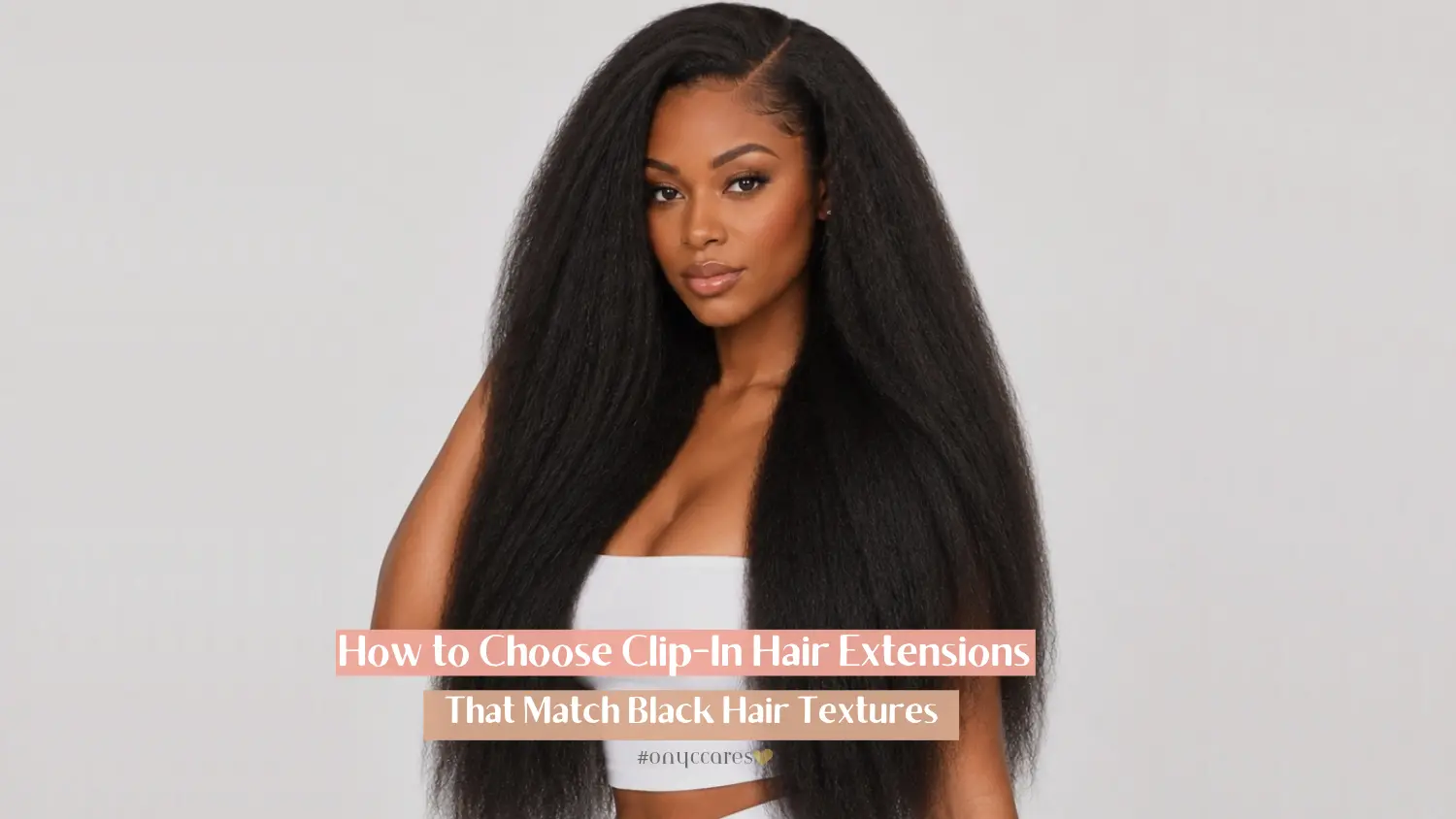
How to Choose Clip-In Hair Extensions That Match Black Hair Textures
Click on a star to Rate this!
We are sorry that this post was not useful for you!
Let us improve this post!
Tell us how we can improve this post?


